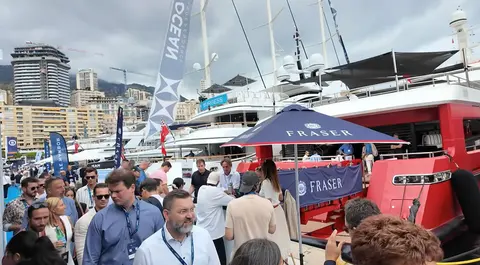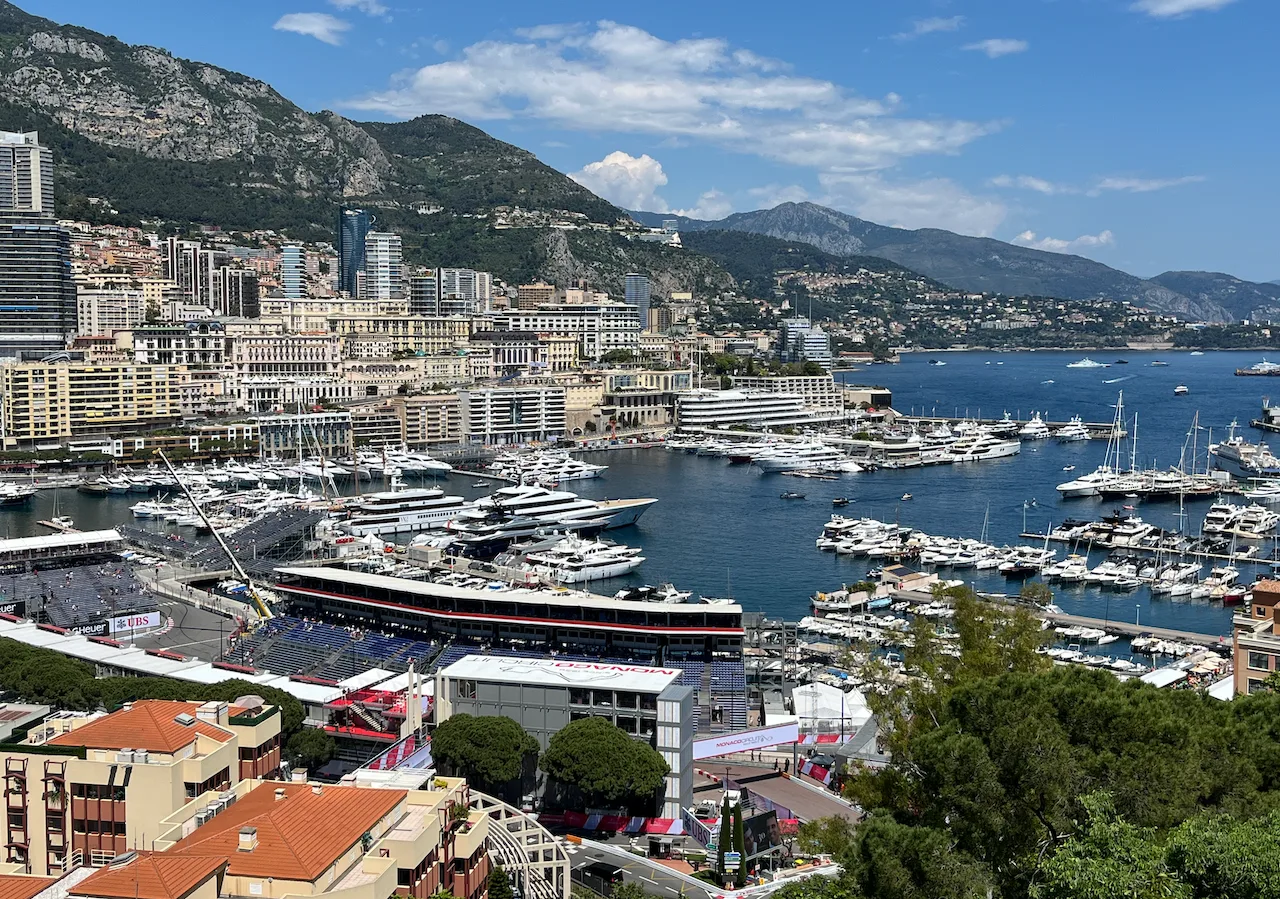
The international events group behind the Monaco Yacht Show, together with the Saudi Federation for Cybersecurity, Programming and Drones and the Events Investment Fund. Sela, meanwhile, is an established Saudi events and destination company backed by the Public Investment Fund.
Such partnerships indicate that the Red Sea Yacht Show forms part of a national strategy rather than a speculative addition to the exhibition calendar. Saudi Arabia wants to establish its western coastline as an international destination for marine tourism, yacht ownership and luxury hospitality, with the Jeddah show acting as both shop window and invitation.
An Ancient Maritime Gateway
Jeddah provides a fitting setting because its relationship with the sea began many centuries before the first superyacht carried a helicopter or beach club. The city developed as an important Red Sea trading port, connecting Arabia with Egypt, East Africa, India and the wider Indian Ocean.
Caliph Uthman recognised Jeddah as the official port for Mecca during the seventh century, establishing its enduring position as the maritime gateway for pilgrims travelling towards Islam’s holiest city. Merchants, sailors and travellers arrived from distant coasts, bringing goods, languages and traditions that shaped Jeddah’s cosmopolitan identity.
Traditional wooden dhows once carried spices, textiles, coffee and other cargoes through the Red Sea, relying upon seasonal winds, local knowledge and careful navigation among reefs that could punish an inattentive helmsman. The modern yachts arriving in 2027 will carry satellite communications, stabilisers and digital charts, although they will enter waters shaped by one of the oldest trading networks in the world.
Historic Jeddah, known as Al-Balad, still reflects that maritime inheritance through its coral-stone buildings and distinctive wooden balconies. The yacht show therefore has an opportunity to become more than an imported luxury gathering, provided it connects modern marina development with the city’s authentic seafaring story.
Why October Could Change the Calendar
The choice of October is central to the strategy. As autumn reaches the Mediterranean, many charter yachts and private vessels leave France, Italy, Greece and Spain before colder weather closes the principal European season.
For decades, the Caribbean has been the most familiar winter destination. Large yachts cross the Atlantic towards Antigua, St Maarten and St Barts, while others head through the Suez Canal towards the Gulf, Indian Ocean or Southeast Asia.
The Red Sea Yacht Show is designed to encourage more of those yachts to turn south from the Mediterranean and remain within the region. Jeddah can be reached through the Suez Canal without undertaking a full Atlantic crossing, while warm winter water and more than 1,800 kilometres of Saudi coastline create the foundations for an alternative cruising season.
Geography alone will not change established habits, since yacht owners and captains require dependable marinas, fuel, customs services, provisioning, repairs, secure anchorages and clear regulations. The show’s real importance lies in placing those practical services beside the glamour, then demonstrating that Saudi Arabia can support visiting yachts after the opening celebrations have ended.
Jeddah Yacht Club & Marina already provides 94 berths and can accommodate superyachts reaching approximately 120 metres. Restaurants, hospitality areas and leisure facilities surround the marina, giving the event an established waterfront setting rather than an undeveloped site built solely around future promises.
Building a Red Sea Yachting Network
Development extends far beyond Jeddah. Red Sea Global launched its Yachting Network during Monaco Yacht Show week, connecting AMAALA Yacht Club and Shura Island Marina through a single berthing agreement from winter 2026.
AMAALA Marina provides 119 berths, while Shura Island contributes another 159, creating 278 berths across the two destinations. Both marinas can accommodate yachts extending to 120 metres, with further anchorages and marinas expected to join the network during 2027.
The single-contract arrangement addresses an important operational concern for visiting yachts. Captains planning a cruising itinerary need certainty concerning berths, services, paperwork and local support, particularly when exploring an unfamiliar coastline.
AMAALA Yacht Club began operating in September 2026 and occupies approximately 7,900 square metres within the wider marina development. Located around 2,000 nautical miles from Monaco, it has been positioned as a winter base for yachts leaving the Mediterranean.
Fuel and core marina services are available, while further repair and maintenance capacity is expected to develop over time. Sela and ICON Saudi have also signed an agreement to explore the creation of a specialist luxury-yacht maintenance facility in Jeddah, although that project remains under consideration rather than completed.
The Saudi Red Sea Authority has introduced RASA, a digital platform intended to combine permits and coastal-tourism licensing within one system. Efficient regulation may lack the glamour of a new yacht club, although captains and management companies will regard clear entry procedures as one of the most important tests of the developing destination.
More Than Yachts Along the Quay
The Red Sea Yacht Show is being designed as a broader luxury experience rather than an exhibition confined to boats. Superyachts, tenders and dayboats will provide the maritime foundation, while watches, jewellery, couture, art, fine dining and performance cars will extend the event beyond the pontoons.
Private receptions aboard selected yachts are planned alongside Michelin-starred dining, bespoke tailoring appointments and a dedicated watch and jewellery salon. Golf experiences with professional players and organised Red Sea reef diving will connect the show with attractions beyond the marina.
An evening programme called RYS After Dark is expected to bring music, waterfront dining and private social events into the schedule. This approach borrows from Monaco’s ability to combine serious business with a carefully managed atmosphere of exclusivity.
A yacht show of this kind is ultimately built around relationships. Owners rarely choose a yacht after reading a specification sheet, because commissioning, buying or chartering a large vessel involves trust between clients, shipyards, brokers, designers, captains and advisers.
Jeddah will attempt to create an environment where those relationships can develop while visitors encounter the wider Red Sea destination. Success will depend upon whether the programme feels genuinely rooted in Saudi culture or simply resembles a familiar European luxury show transferred to warmer water.
Reefs, Responsibility and Scrutiny
The Red Sea possesses exceptional coral reefs, clear water and marine habitats that remain central to its appeal. Those same qualities demand careful protection as new resorts, marinas and cruising routes are developed.
Organisers describe the region as offering warm, secure and relatively uncongested waters, although increased yacht traffic brings environmental responsibilities. Anchoring, wastewater, underwater noise, fuel handling and coastal construction all require close management in an ecosystem that cannot be treated as an expendable background for luxury tourism.
Claims concerning regenerative development and environmental protection will need to be judged against measurable results. Modern marinas can provide proper waste reception, controlled anchoring and improved monitoring, yet the effectiveness of those systems depends upon consistent enforcement after the international attention has moved elsewhere.
Regional security and insurance will also influence the show’s long-term success. Captains and yacht managers will assess navigation through the Suez Canal and wider Red Sea according to the conditions prevailing in 2027, rather than relying entirely upon promotional assurances issued a year earlier.
Saudi Arabia’s social and regulatory environment will attract scrutiny as well. International guests will expect clear information concerning entry requirements, charter regulations, alcohol restrictions, local customs and the practical freedoms available to owners, crews and visitors.
A serious new yachting destination must answer difficult questions with the same confidence it uses to advertise pristine reefs and warm winter seas.
A New Course for the Superyacht Fleet
The Red Sea Yacht Show arrives with stronger foundations than many new events. Its venue is confirmed, its organisers possess considerable experience and its timing has been chosen to intercept the natural movement of yachts leaving the Mediterranean.
New marina capacity at Jeddah, AMAALA and Shura Island gives the project an operational purpose beyond four days of hospitality. The involvement of the Monaco Yacht Show provides international authority, although borrowed prestige will only carry the event as far as its first opening morning.
The true measure of success will be found in the yachts that attend, the shipyards that commit and the number of owners who return to cruise Saudi waters after the exhibition closes. A harbour filled for one week can produce impressive photographs, while a functioning winter destination must provide reliable service throughout the season.
Jeddah has welcomed sailors, traders and travellers for centuries, making the arrival of modern superyachts another chapter in a much older maritime story. The vessels have changed beyond recognition, yet the Red Sea remains what it has always been, a long blue passage connecting continents, cultures and ambitions.
Monaco supplied the announcement, Saudi Arabia supplied the scale and October 2027 will provide the first real examination. Should the Red Sea Yacht Show deliver upon its promises, the international superyacht fleet may soon discover that its traditional winter course is no longer the only one worth following.