There are expensive holidays, extravagant holidays and then there is the rarefied world where somebody pays more than a million for seven days aboard a yacht, before the food has been ordered, the fuel tanks replenished or the first bottle of wine brought up from the cellar. At that level, a superyacht is no longer simply a luxurious means of travelling between desirable places, because it becomes a private hotel, floating beach club, restaurant, spa, cinema, watersports centre and discreet household operating around the clock. Guests are not buying a cabin and an itinerary in the conventional sense, since they are temporarily taking control of an entire 83.5-metre vessel and the talents of a professional crew whose task is to make an extraordinarily complicated operation feel completely effortless.
The yacht chosen for this journey into the million-a-week charter world is Savannah, a remarkable Feadship delivered in 2015 and currently advertised from €1.2 million per week, depending upon availability, season and cruising area. She accommodates 12 guests in six suites and carries approximately 24 crew, creating the unusual ratio of two professionals for every person on holiday. At 83.5 metres long, with a beam of 12.5 metres and a volume exceeding 2,000 gross tonnes, she is large enough to dominate most marinas, yet her flowing profile, curved glass and metallic finish prevent her from resembling a small passenger ship.
Feadship built Savannah at its Aalsmeer shipyard in the Netherlands, drawing upon a Dutch yachtbuilding tradition renowned for combining naval architecture, engineering and exceptionally detailed custom construction. Her name is formed from the opening letters of the owner’s children’s names, although the yacht quickly acquired a public identity of her own when she became the world’s first large hybrid superyacht. She was also the first superyacht finished almost completely in metallic paint, a demanding choice that required Feadship to develop a specialist spraying technique capable of producing a consistent appearance across an enormous structure.
Her exterior and interior were shaped with the Paris-based CG Design studio, whose approach rejected many of the conventions that once made large yachts feel like heavily decorated country houses afloat. Glass, curved surfaces, open spaces and shifting levels allow the interior to flow towards the sea, while the metallic green hull gives Savannah a character that remains recognisable even among the largest yachts in Monaco, St Barths or the sheltered bays of the Mediterranean. The result won Motor Yacht of the Year at the 2016 World Superyacht Awards, together with a collection of design honours that recognised her styling, interior arrangement and unusually complete relationship between engineering and appearance.
What Does the Charter Fee Actually Buy? The starting charter rate pays for the use of Savannah, her crew, her standard onboard equipment and the yacht’s normal insurance for the agreed period. It gives the charterer control of an exceptionally private environment where the cruising route, daily timetable, menus, entertainment and activities are developed around the preferences of the guests. Nobody needs to wait for a restaurant reservation, share a swimming pool with strangers or organise transport back to a hotel, because the hotel, restaurant and transport have arrived together and will move overnight towards the next anchorage.
Twenty-four crew members are required because maintaining this illusion of simplicity demands an enormous amount of work. The captain commands the yacht and carries legal responsibility for her safe operation, while deck officers and engineers manage navigation, machinery, communications, tenders and watersports. Interior crew prepare cabins, serve meals, manage laundry and anticipate the daily requirements of the guests, while chefs work in a professional galley capable of changing from a light Mediterranean lunch to an elaborate tasting menu without requiring anyone to step ashore.
Much of the service is arranged before the yacht leaves the dock through a detailed preference sheet, which can cover dietary requirements, favourite drinks, allergies, preferred flowers, music, pillow firmness, children’s routines and the activities each guest wishes to try. A charterer can request a particular vintage of wine, a favourite brand of mineral water or ingredients sourced from specialist suppliers, although the cost of satisfying those requests will usually be taken from the Advance Provisioning Allowance rather than absorbed within the base charter price.
A Suite That Feels Like a Private Apartment Twelve guests sleep across six suites, including an expansive owner’s accommodation designed around privacy, light and a close visual relationship with the sea. The principal suite uses broad areas of glass and an oval skylight to avoid the enclosed feeling sometimes associated with cabins aboard large motor yachts, while the remaining guest accommodation includes a VIP suite, doubles and convertible cabins that can be arranged for couples, families or children.
A charter of this scale rarely involves guests spending much time inside their bedrooms, although each suite is expected to provide the comfort and finish of an exceptional hotel room. Climate control, entertainment systems, private bathrooms, carefully selected materials and almost silent service contribute to the experience, while the high crew-to-guest ratio means cabins can be refreshed while guests are having breakfast and prepared again during dinner.
Public rooms are intentionally varied, since 12 people sharing a yacht for a week will not always want to remain together. One group may gather around the pool, another may retreat into the spa, while somebody else reads in an interior lounge or watches the coastline from a quiet deck. The real luxury is therefore not simply the amount of polished material or the value of the artwork, because it is the ability to find privacy without ever leaving the yacht.
The Room Beneath the Water The defining feature of Savannah is her semi-submerged Nemo lounge, an extraordinary observation room built close to the waterline, where guests can watch the underwater world through a large window while seated in the comfort of a private cinema. The room can be used for films when darkness falls, although its most memorable performance is supplied by the sea itself, particularly when the yacht is anchored in clear water and fish begin moving through the illuminated space beyond the glass.
The Nemo lounge changes the relationship between the yacht and her surroundings, since guests are no longer confined to looking down from a high deck or entering the water with a mask. They can sit below the surface with a drink in hand, watching swimmers, marine life and changing light without sacrificing air conditioning or upholstered comfort. It is playful, slightly surreal and entirely representative of a yacht where serious engineering has been employed to create something that feels almost dreamlike.
Few hotel cinemas could compete with that view, although Savannah offers more conventional entertainment when required through an advanced audiovisual system, music across the guest areas and spaces suitable for social gatherings. The private sun deck includes a DJ position, barbecue facilities and areas where the crew can transform a quiet evening into a party without disturbing anyone beyond the yacht.
Pool, Beach Club, Spa and Sea A nine-metre swimming pool dominates the aft deck, creating a dramatic centrepiece surrounded by terraces that descend towards the water. The design connects the pool, beach club and swim platform into one broad recreational area, allowing guests to move gradually from shaded seating to open sun and finally into the sea. When Savannah is anchored in calm water, this section of the yacht becomes a private resort without gates, crowds or closing times.
The spa includes a hammam and massage room, while a properly equipped gym allows guests to continue their usual routines between meals and excursions. An elevator connects the principal interior decks, removing much of the physical effort involved in moving through a vessel of this size and making the yacht more practical for guests who find repeated staircases difficult.
Stabilisers reduce rolling while the yacht is at anchor, an important detail that receives less attention than the pool or underwater lounge yet can make the difference between a pleasant afternoon and a deeply uncomfortable one. The finest materials and most expensive food cannot compensate for persistent movement, which is why stability, noise reduction and vibration control are fundamental elements of genuine superyacht luxury.
The Toy Cupboard Requires Its Own Crew The garage aboard Savannah contains enough equipment to transform a peaceful anchorage into a private watersports centre, with the precise collection changing as equipment is updated. Published inventories have included personal watercraft, Seabobs, electric surfboards, eFoils, paddleboards, kayaks, sailing dinghies, diving and snorkelling equipment, towable toys, bicycles and a large inflatable waterslide.
A 9.5-metre limousine tender carries guests ashore in considerably greater comfort than the average family motorboat, while additional tenders support crew movements, beach parties, diving and watersports. Deck crew launch, recover, clean, fuel and maintain this equipment, then instruct guests and supervise activities according to local regulations and weather conditions.
The yacht may also establish a complete private beach arrangement with shelters, furniture, food, drinks and equipment transported ashore before guests arrive. From the charterer’s perspective, the beach appears prepared as if by magic, although the operation may have required hours of planning, tender movements and physical work by several crew members.
A Typical Day Aboard Savannah Morning could begin quietly in a bay off Sardinia, with the yacht having moved during the night while the guests slept. Coffee would arrive at a chosen time, followed by breakfast on the aft deck, where each person might order something entirely different without seeing a menu or being told that the kitchen has stopped serving.
The captain or chief officer might then outline the weather and suggest moving to a more sheltered anchorage, while the deck team prepares Seabobs, paddleboards and a tender for a trip ashore. Guests interested in diving could leave with an instructor, younger members of the party might spend the morning on the waterslide, while somebody preferring solitude could remain beside the pool with the yacht almost entirely to themselves.
Lunch could be served beneath the shade of the deck, perhaps with locally purchased seafood collected that morning, followed by an afternoon cruise while the yacht’s hybrid machinery carries her towards the next destination. A massage, gym session or film in the underwater lounge could fill the passage, while the interior team quietly resets every guest area and the chefs begin preparing dinner.
Sunset might bring drinks on the upper deck before dinner beneath the stars, followed by music around the pool or a private cinema screening. The crew could arrange fireworks where legally permitted, organise a themed evening or prepare the yacht for a formal celebration, although many charterers ultimately discover that the most valuable experience is quieter, consisting of dinner with family in a remote anchorage without another person in sight.
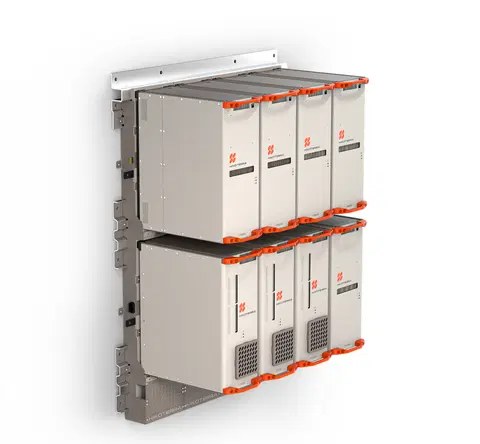
What Makes Savannah Technically Different? Savannah was developed with an electro-mechanical propulsion system combining one main diesel engine, three generating sets, batteries, a propeller and an azimuthing thruster. Feadship states that the arrangement can reduce fuel consumption by approximately 30 per cent compared with a conventional yacht of similar size, while providing considerable flexibility in the way power is generated and used. feadship.nl
Battery power can support quieter operation at low speed and reduce the need to run machinery inefficiently, which has a direct effect upon the guest experience through lower noise and vibration. Silent or near-silent periods at anchor become particularly valuable during the night, when the hum of generating equipment can undermine the tranquillity that charterers have paid so heavily to secure.
The system does not make an 83.5-metre motor yacht environmentally weightless, since operating, heating, cooling and moving a vessel of more than 2,000 gross tonnes inevitably consumes considerable energy. Her engineering nevertheless represented an important step when she was launched, demonstrating that efficiency, battery storage and flexible power management could be incorporated within an exceptionally large custom yacht without compromising performance or luxury.
The Million Is Only the Beginning The greatest surprise for anyone new to superyacht charter is that the advertised rate is not the final cost. Savannah’s current published starting rate of €1.2 million is followed by an Advance Provisioning Allowance, usually calculated at 30 to 35 per cent of the charter fee, which would add between €360,000 and €420,000 before the yacht has left the dock.
The APA is used for fuel, food, beverages, marina charges, local agents, communications, special requests and other expenses incurred during the charter. The captain maintains an account, with unused money normally returned at the end, although an energetic itinerary involving long passages, expensive berths and lavish entertaining can consume the allowance quickly. TWW Yachts
VAT or local charter tax may then be charged according to the country, embarkation point and itinerary, while crew gratuity is separate and discretionary. Brokers commonly discuss tips somewhere around 10 to 20 per cent of the base charter rate, depending upon regional custom and the quality of service, which could mean another six-figure payment after a week aboard. Northrop & Johnson
A €1.2 million charter with a 35 per cent APA already reaches €1.62 million before VAT and gratuity. Once applicable tax and a substantial crew tip are included, the true cost could approach or exceed €2 million, while helicopter transfers, private aircraft, exceptional wines, shoreside events and unusual requests can push the total still higher.
For 12 guests, the base charter rate alone represents €100,000 per person for the week, while the realistic final cost may be considerably closer to €160,000 or €170,000 each if divided evenly. Charterers at this level are seldom calculating the holiday per person, although the comparison reveals just how far this experience sits beyond even the finest conventional hotels.
Who Actually Charters a Yacht Like This? The names of individual charterers are guarded carefully, since discretion is one of the principal services being purchased. The market includes company founders, investors, financiers, entertainers, athletes, established business families and members of royal households, although wealth alone does not guarantee that a booking will be accepted.
The owner remains entitled to approve the charter, while brokers consider the group, itinerary, intended use and practical requirements before an agreement is concluded. Contracts govern matters such as guest numbers, cruising areas, smoking, pets, events and the use of personal watercraft, ensuring that the yacht, crew and charterer understand what has been agreed.
Some guests charter because they are considering buying a large yacht and want to experience the lifestyle before committing hundreds of millions to construction and annual running costs. Others prefer charter precisely because ownership brings permanent responsibilities, including crew employment, maintenance, insurance, regulatory compliance, depreciation and the endless requirement to keep a complicated vessel operational.
A charterer can arrive, enjoy the yacht for a week and leave without dealing with a winter shipyard period, a failed pump or a crew recruitment problem. From that perspective, even an astonishing weekly price can appear rational when compared with owning and operating an 80-metre yacht that may only be used for a few weeks each year.
Is It Really Worth a Million a Week? No room, meal or swimming pool can justify this price when judged against ordinary measures of value, because the real product is exclusivity on an almost incomprehensible scale. The charterer decides where the hotel goes, who is allowed inside, what the restaurant serves and when each day begins, while 24 professionals quietly rearrange the operation around 12 guests.
Savannah adds another dimension because she is not simply large and opulent, since her hybrid propulsion, metallic exterior, flowing architecture and underwater lounge give her a genuine place in superyacht history. She offers the sort of experiences that money struggles to reproduce ashore, including waking in a different bay each morning, swimming from a private beach club and watching fish move past a cinema window below the waterline.
The most revealing detail may still be the service rather than the machinery, because true luxury aboard a yacht of this calibre lies in the absence of friction. Bags disappear into suites, favourite drinks arrive without being requested twice, children find equipment waiting on the swim platform, and dinner appears in a quiet anchorage that seemed unreachable only hours earlier.
A million a week therefore buys far more than a boat, although it also buys far less permanence than the figure might suggest. Seven mornings after stepping aboard, the tenders are recovered, the final accounts are presented and the guests walk ashore while the crew begins preparing everything for what comes next. Savannah remains at the quay, immaculate and silent, while her former occupants return to a world where swimming pools do not cross oceans and cinemas seldom look directly into the sea.