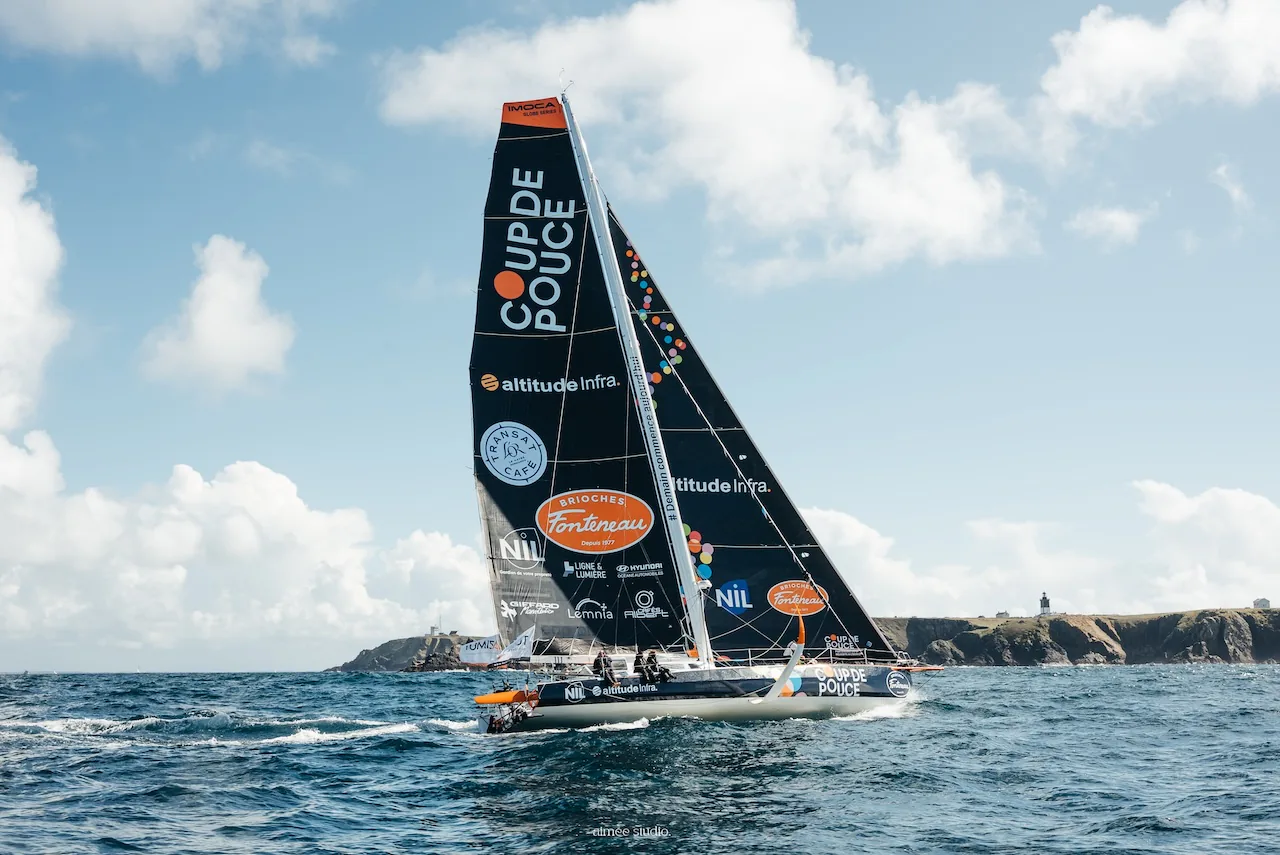
If you want to understand where offshore sailing really lives now — you don’t look at one race.
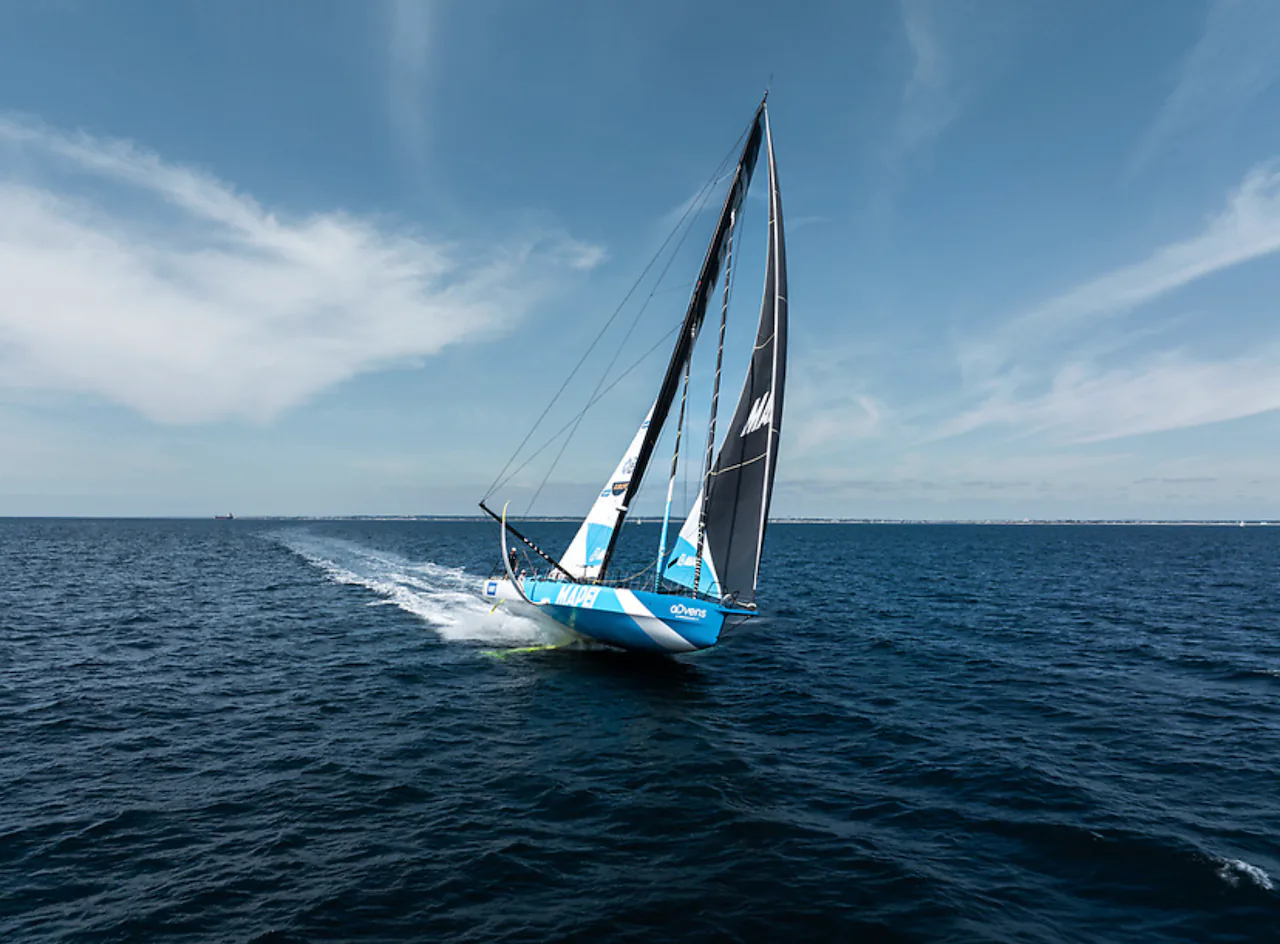
And in 2026, the IMOCA class didn’t just put together a season — it built a proper test piece.
Five races. Different formats. Different pressures.
Same outcome: if you weren’t ready, you were going to get found out.
At the centre of it all, Class President Antoine Mermod looked ahead to his ninth season at the helm with a simple message — the numbers might ebb and flow, but the level never drops.
A Season Built on Contrast — Solo vs Crewed
What makes IMOCA different isn’t just speed.
It’s the constant shift in mindset.
One minute you’re alone, making every call, carrying every mistake.
The next, you’re in a fully-crewed machine where execution is everything and hesitation costs miles.
In 2026, that contrast was front and centre.
Solo extremes in the Vendée Arctique and Route du Rhum Fully-crewed intensity in The Ocean Race Atlantic
Two completely different disciplines.
Same boats.
Same sailors.
The season’s defining early challenge didn’t head south into sunshine.
It went north.
The Vendée Arctique left Les Sables d’Olonne and drove the fleet straight towards the Arctic Circle — into a part of the Atlantic where forecasts don’t hold and the weather writes its own rules.
This wasn’t just another qualifier.
It was a thinking sailor’s race.
Short-term forecasts. Rapid system changes. Pressure lines that shifted faster than decisions could be made.
As Mermod put it — the challenge wasn’t just distance.
It was location.
New Blood, New Boats — No Easy Entry
The 2026 fleet didn’t just carry experience — it brought fresh risk.
Six new skippers stepped into the solo IMOCA world for the first time, including:
Ambrogio Beccaria Elodie Bonafous Francesca Clapcich Violette Dorange
This isn’t a gentle learning curve.
You either adapt — or you don’t finish.
Alongside them sat proven operators like Sam Goodchild, bringing championship form into a fleet where consistency matters more than moments.
The Ocean Race Atlantic — Pressure With Nowhere to Hide
If the Arctic demanded independence, The Ocean Race Atlantic demanded control.
Starting from New York, this transatlantic crossing wasn’t just another race — it was effectively a proving ground ahead of the next edition of The Ocean Race.
Every manoeuvre is visible. Every mistake amplified.
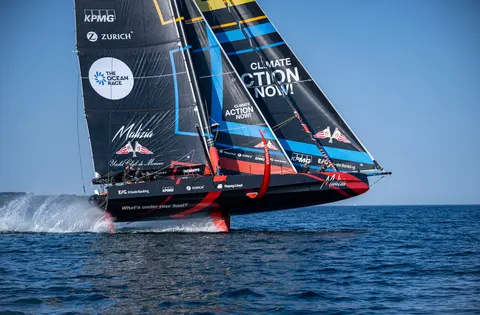
Teams like Team Malizia, led by Boris Herrmann, lined up alongside Kojiro Shiraishi — both bringing new boats, new setups, and no shortage of ambition.
Route du Rhum — The One That Still Matters Most
For all the innovation, data, and evolution — some races still sit above the rest.
The Route du Rhum is one of them.
3,500 miles. Solo. No compromises.
From Saint-Malo to Guadeloupe, it’s a race every IMOCA skipper wants on their record.
In 2026, up to 25 boats lined up — one of the strongest entries the class has seen.
Because winning this one doesn’t just prove speed.
It proves everything.
Technology, Sustainability and the Next Battle
Behind the racing, the real arms race continued.
The IMOCA Annual General Meeting in Lorient quietly set the direction for the next phase — not just performance, but responsibility.
Increased use of RISE sails (Reduced Impact Sail Evaluation) Continued development of hydro-generators Early groundwork for the 2032 Vendée Globe rules
This is where IMOCA is ahead of the curve.
Not just faster boats.
Smarter ones.
Cleaner ones.
This wasn’t a season built for comfort.
It was built for exposure.
Different formats. Different oceans. Different pressures.
But one consistent truth:
You don’t get lucky across five races.
You either belong at this level — or the calendar proves you don’t.
And in 2026, IMOCA made sure of that.