Setting & Character
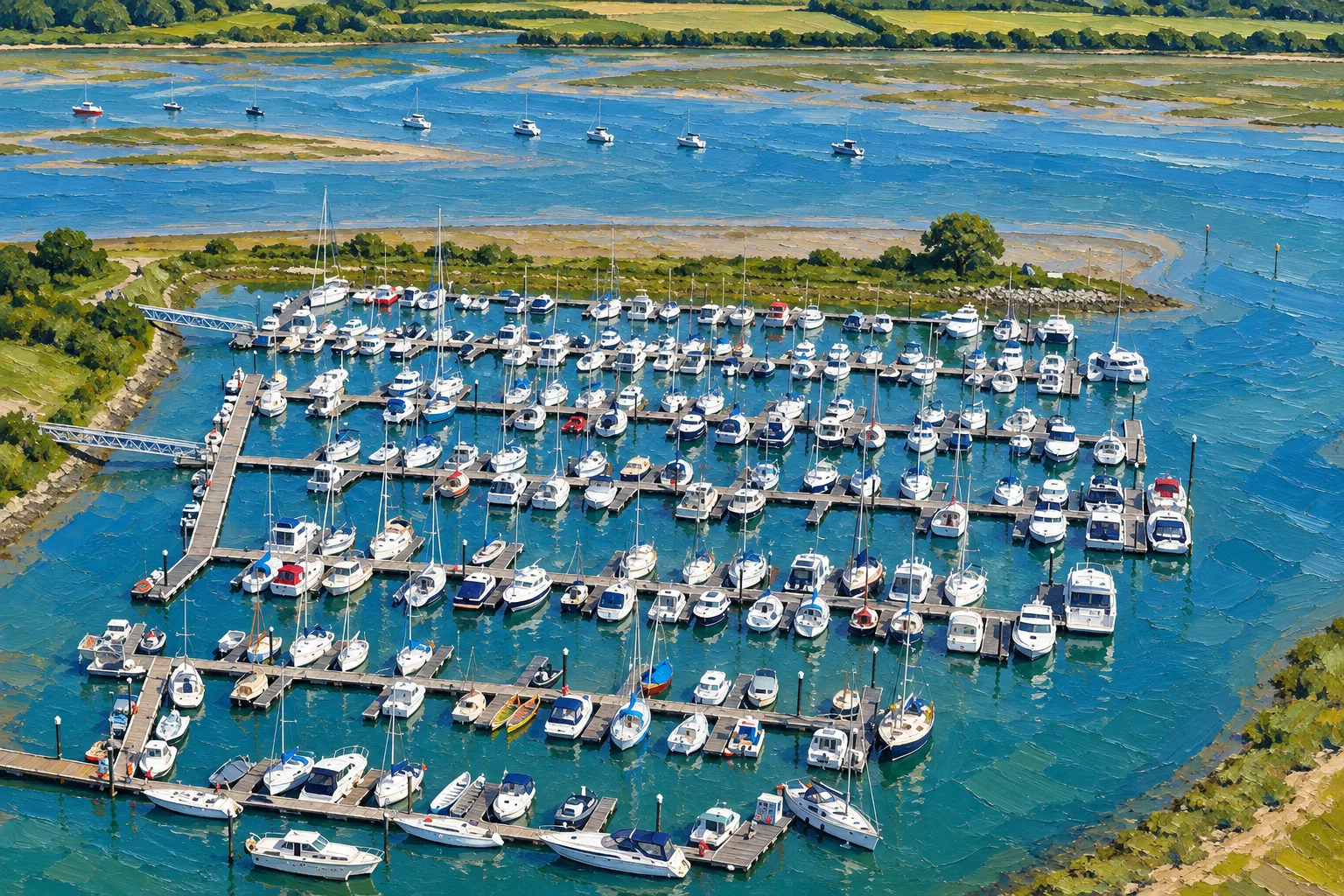
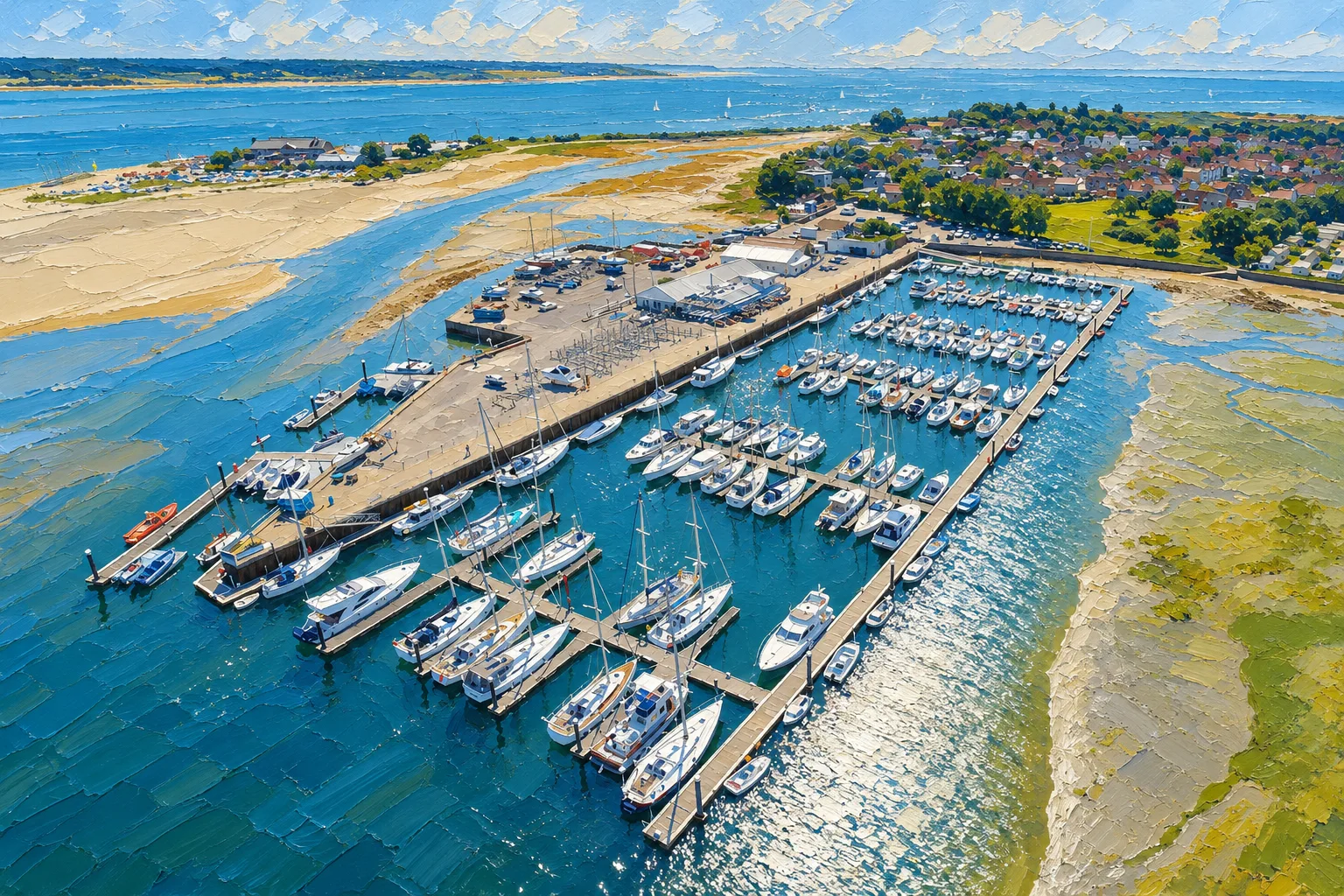
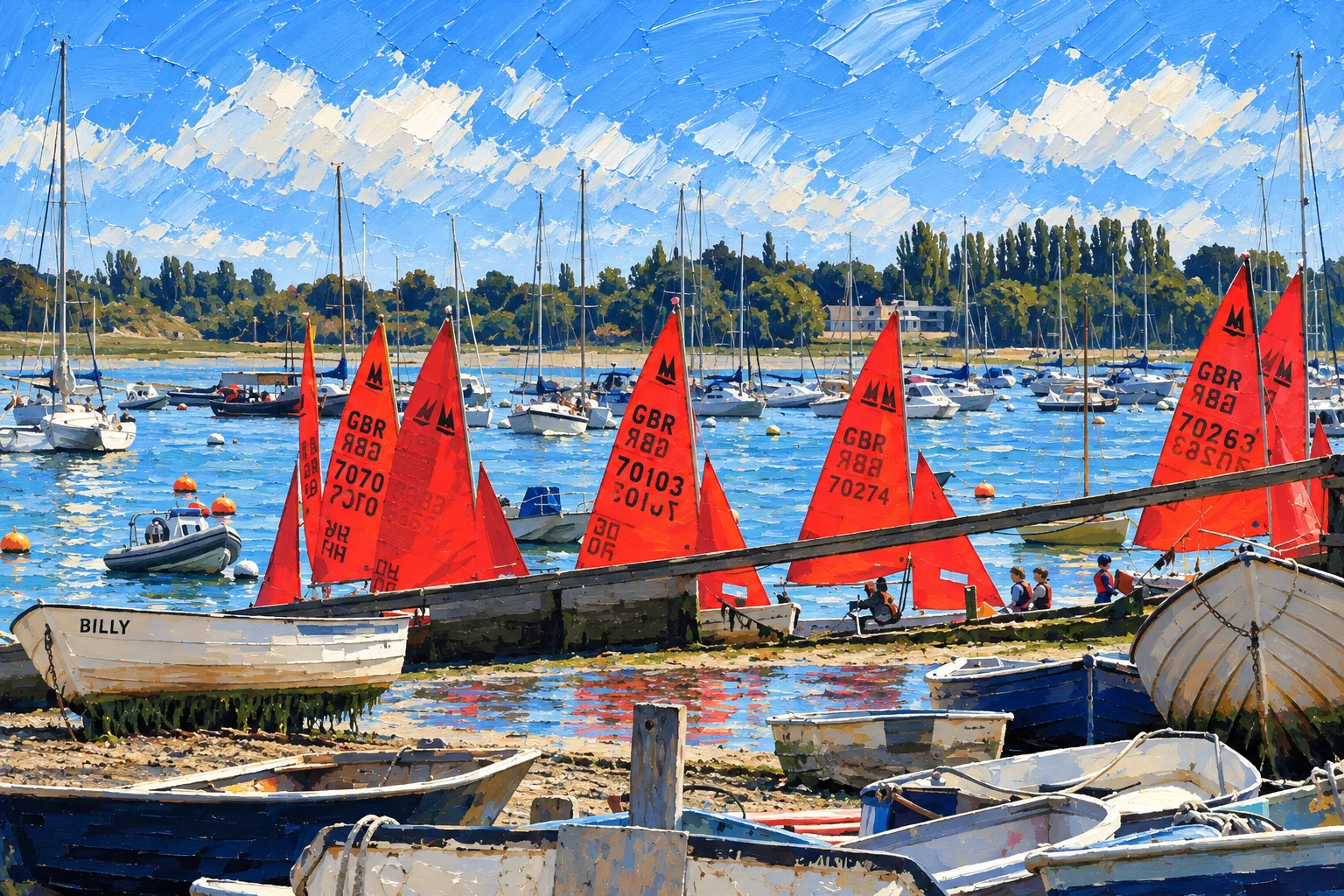
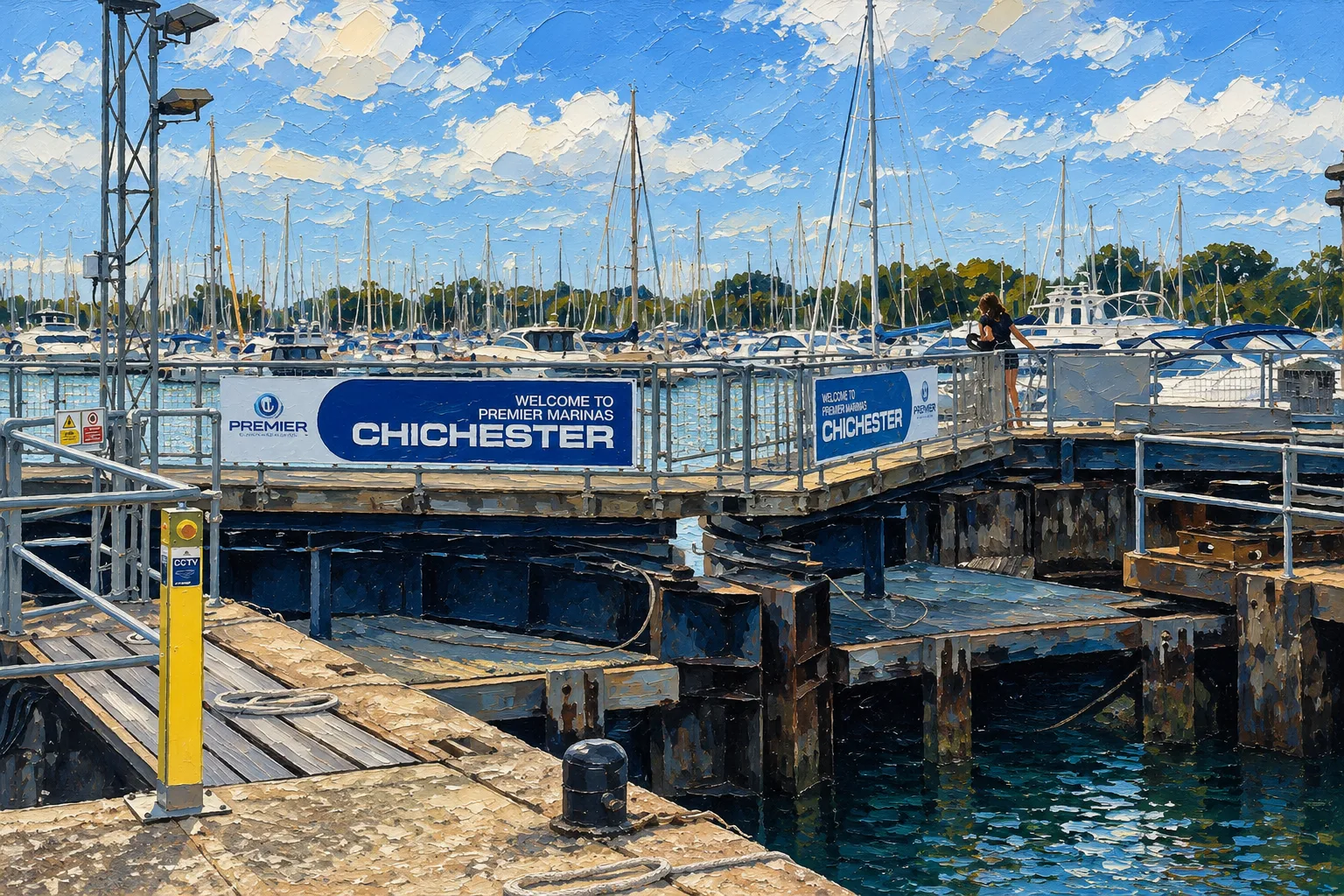
Chichester Marina is one of the largest marinas on the South Coast, yet the surroundings soften its scale.
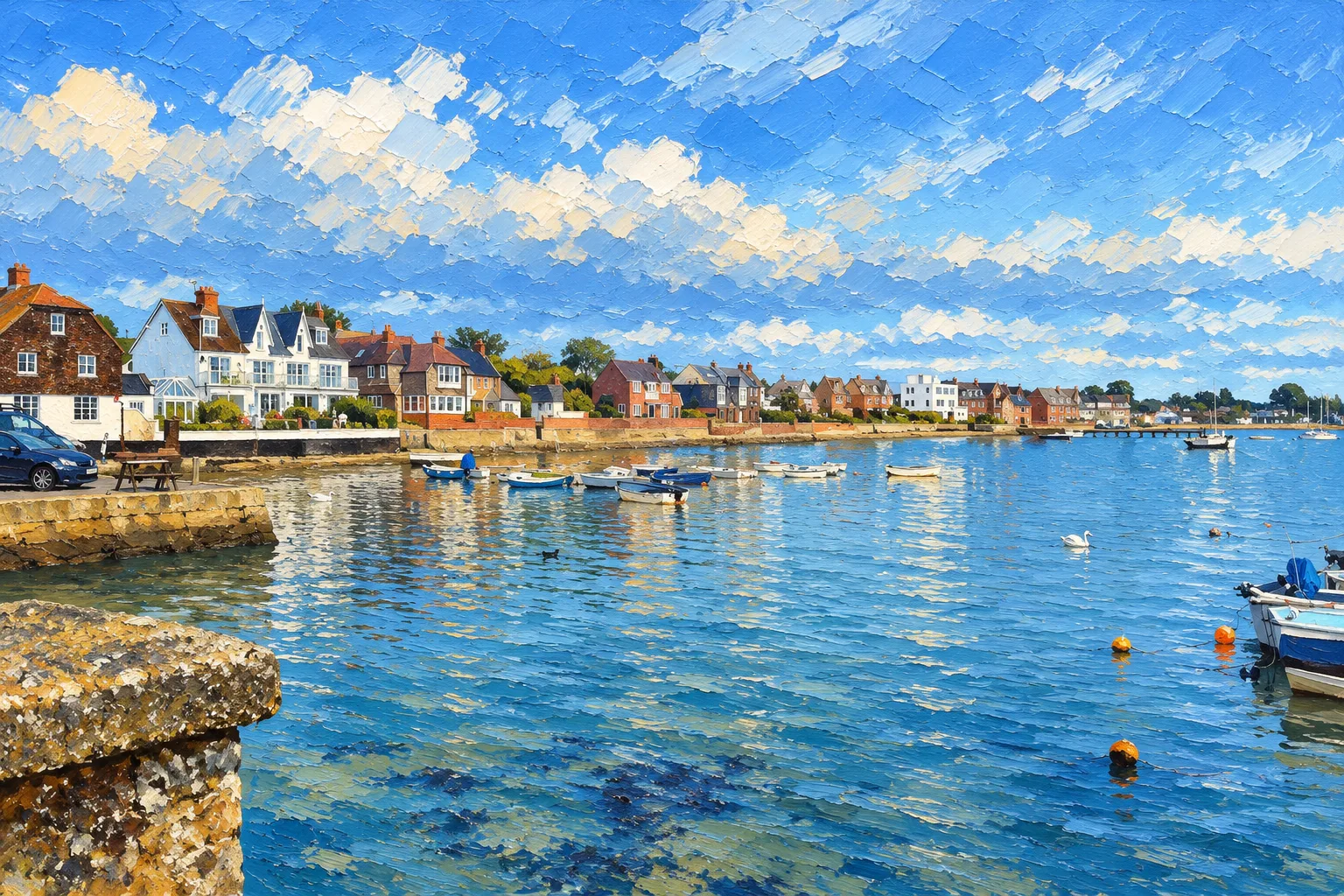
The marina lies at Birdham on the eastern side of Chichester Harbour, surrounded by countryside and the protected landscape of the harbour. From the pontoons, the impression is much more rural than urban, despite the number of boats and marine businesses on site.
That combination is one of Chichester Marina’s strengths. It provides the security and facilities of a major marina without feeling as though the boat has arrived in the middle of a town.
The basin itself is protected behind a lock, so once inside the atmosphere is generally calmer than the tidal reaches outside.
Arrival by Sea
Arrival begins with the entrance to Chichester Harbour, not with the marina lock.
Chichester Bar, the harbour entrance and the strong tidal streams there should be dealt with using current charts, weather information and Chichester Harbour Conservancy guidance. Once inside, follow the marked channels through the harbour towards Itchenor and Birdham.
Arriving boats continue past East Head and Pilsey Island towards Itchenor before heading towards Birdham and Chichester Marina.
At Birdham Spit Pile, call Chichester Marina on VHF Channel 80.
The lock operator will either instruct the boat to proceed on a green light or advise it to join the queue. Boats waiting or approaching should favour the starboard side to allow outbound traffic to pass.
The lock operates 24 hours a day.
Around high water the marina may operate free flow, indicated by a flashing yellow beacon. Free-flow times are predictions rather than guarantees and can be affected by weather, atmospheric pressure and marina water levels.
Berthing Experience
Once through the lock, Chichester feels very different from the tidal harbour outside.
The marina accommodates boats up to 22 metres and contains more than 1,000 berths, so this is a sizeable basin rather than an intimate yacht harbour.
Visitors should obtain their allocated berth from the marina rather than simply choosing an empty pontoon.
Visiting crews without berth details should use the waiting pontoon and contact reception on 01243 512731 or VHF Channel 80. Advance visitor booking is recommended, particularly during the busy season.
The lock itself is worth preparing for before arrival. Have fenders ready on the appropriate side and make sure the crew understand the procedure. Follow the lock operator’s current instructions as water levels change.
Facilities Afloat
Chichester is particularly well equipped for a visiting cruising boat.
Water and electricity are available on the pontoons.
The marina has modern private toilet and shower facilities in several locations around the site, together with laundry facilities.
Wi-Fi is available to marina visitors.
A holding-tank pump-out is located on the fuel pontoon.
The marina has its own fuel berth close to the lock and reception, supplying marine diesel and unleaded petrol.
Fuel hours vary seasonally, so crews intending to rely on the service should confirm current opening times.
Marine Services
Chichester Marina is more than somewhere to leave the boat overnight.
The full-service boatyard has substantial lifting capability and provides lifting, pressure washing, blocking-off and relaunch services throughout the year.
A range of independent marine businesses operates around the marina, covering maintenance, boat sales and the wider marine trade.
For crews dealing with a mechanical problem, planned maintenance or work ashore, that concentration of expertise is an important part of the marina’s appeal.
Ashore
The Boat House café and restaurant overlooks the marina and harbour, while Chichester Yacht Club also forms part of the marina community. Current opening arrangements should be checked rather than assumed, particularly outside the main season.
The marina lies several miles south of Chichester city centre.
For crews who would rather stretch their legs than find a taxi, the surrounding countryside is part of the attraction. Walking and cycling routes provide connections through the local landscape and towards Chichester.
The setting therefore works well for a longer stop. A day ashore does not have to mean staying within the marina perimeter.
Best For
Cruising crews looking for a secure, well-equipped base inside Chichester Harbour.
Boats requiring fuel, lifting or marine services.
Crews wanting to explore Itchenor, Bosham, East Head and the wider harbour from a central base.
Visitors who prefer a large marina’s facilities without an urban waterfront setting.
Less Suitable For
Crews wanting to sail directly onto an open tidal berth without using a lock.
Visitors whose priority is being within immediate walking distance of a substantial town centre.
Skippers looking for a tiny, secluded marina with little shoreside activity.
History & Local Character
Chichester Marina belongs to the modern chapter of a harbour whose relationship with boats goes back centuries.
The surrounding creeks and villages developed around fishing, trade, boatbuilding and working water long before leisure marinas appeared. Today the marina represents a different era of Chichester Harbour life, with hundreds of cruising and racing yachts supported by a substantial marine-service community.
Its scale could easily have overwhelmed the setting. Instead, the low-lying landscape and surrounding countryside mean the marina remains visually connected to the harbour beyond its lock gates.
That relationship with Chichester Harbour is what makes the place distinctive.
Nearby Cruising
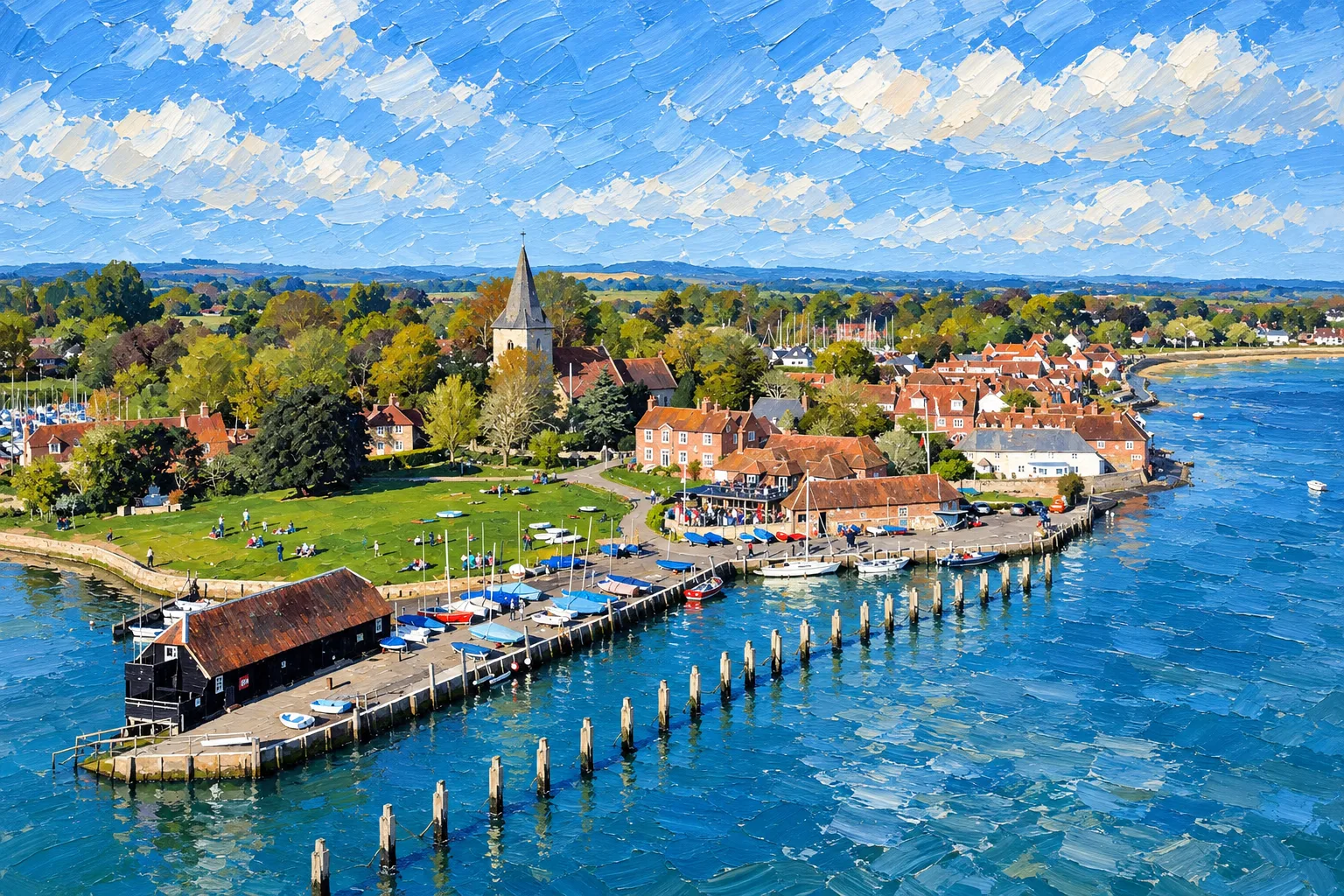
Itchenor lies down-harbour and remains one of Chichester’s principal sailing centres.
Bosham rewards crews prepared to plan around its tidal approach.
Emsworth occupies the upper western harbour and combines sailing history with a proper town ashore.
East Head offers a complete contrast to marina life, with anchoring beside sand and dunes when conditions and current restrictions allow.
Outside the harbour, Portsmouth and the eastern Solent lie to the west, with the Isle of Wight and the wider Solent cruising ground beyond.
Skipper’s Notes
Treat the marina lock as part of the passage rather than something to organise when you reach it.
Call on VHF Channel 80 at Birdham Spit Pile, listen carefully to the lock operator and do not hurry towards a red signal because another boat appears to be moving.
Have lines and fenders ready before joining the queue.
Free flow can make the transit quicker, although the current through the lock may be stronger than expected. Follow the marina’s radio instructions and traffic lights even when both gates appear open.
For the journey to and from the marina, remember that the lock is only one part of the navigation problem. Chichester Harbour remains tidal and the Bar at the entrance deserves considerably more respect than the calm marina basin may suggest.
Old Sea Dogs View
Chichester Marina is a big marina that somehow manages not to shout about being one.
More than a thousand boats ought to make the place feel like a floating car park. The surrounding fields, harbour and great forest of masts soften things considerably.
The lock changes the rhythm as well. Outside, you are sailing in one of Britain’s great tidal harbours, watching marks, depth and other boats. Inside, the water settles down and somebody can finally put the kettle on without wondering what the tide is doing to the boat.
There are plenty of facilities, proper marine services and enough machinery in the boatyard to deal with rather more than a loose shackle. Yet the real reason to berth here is what lies outside the gates.
East Head, Itchenor, Bosham and the rest of Chichester Harbour are close enough to turn the marina into a very useful cruising base.
Just remember to call the lock keeper before charging hopefully towards the gates. They have seen that trick before.
Information checked against official sources
The practical information in this Guide has been checked against current information published by Premier Marinas, Chichester Harbour Conservancy and other authoritative sources.
Operational details, lock arrangements, fuel hours, visitor availability and navigation information can change. Current charts, Local Notices to Mariners and direct marina or Harbour Authority advice should be checked before passage.