There is nowhere to hide in double-handed offshore racing. No stacked rail full of grinders. No navigator disappearing below with fresh weather files. No rotating watch system allowing somebody else to take over while you grab sleep.
One boat. And usually far too much to do. That is exactly why the Offshore Double Handed World Championship has rapidly become one of the most respected and brutally demanding events in modern yacht racing. Now the Royal Yachting Association has officially opened the selection process for British teams hoping to compete in the 2026 championship, set to take place in Marseille from 23 September to 2 October 2026.
And if recent editions have proved anything, it is this: Winning offshore double-handed races is not simply about speed. It is about surviving exhaustion while still making smart decisions.
Double-handed offshore sailing has exploded in recent years. What once felt like a niche corner of the sport has evolved into one of sailing’s most compelling disciplines, combining offshore endurance with almost dinghy-style intensity.
There are no passengers aboard these boats. Every manoeuvre matters. Every sail change hurts. Every tactical decision lands directly on the shoulders of two sailors already running on too little sleep. That is precisely why the discipline has become such a proving ground for elite offshore talent.
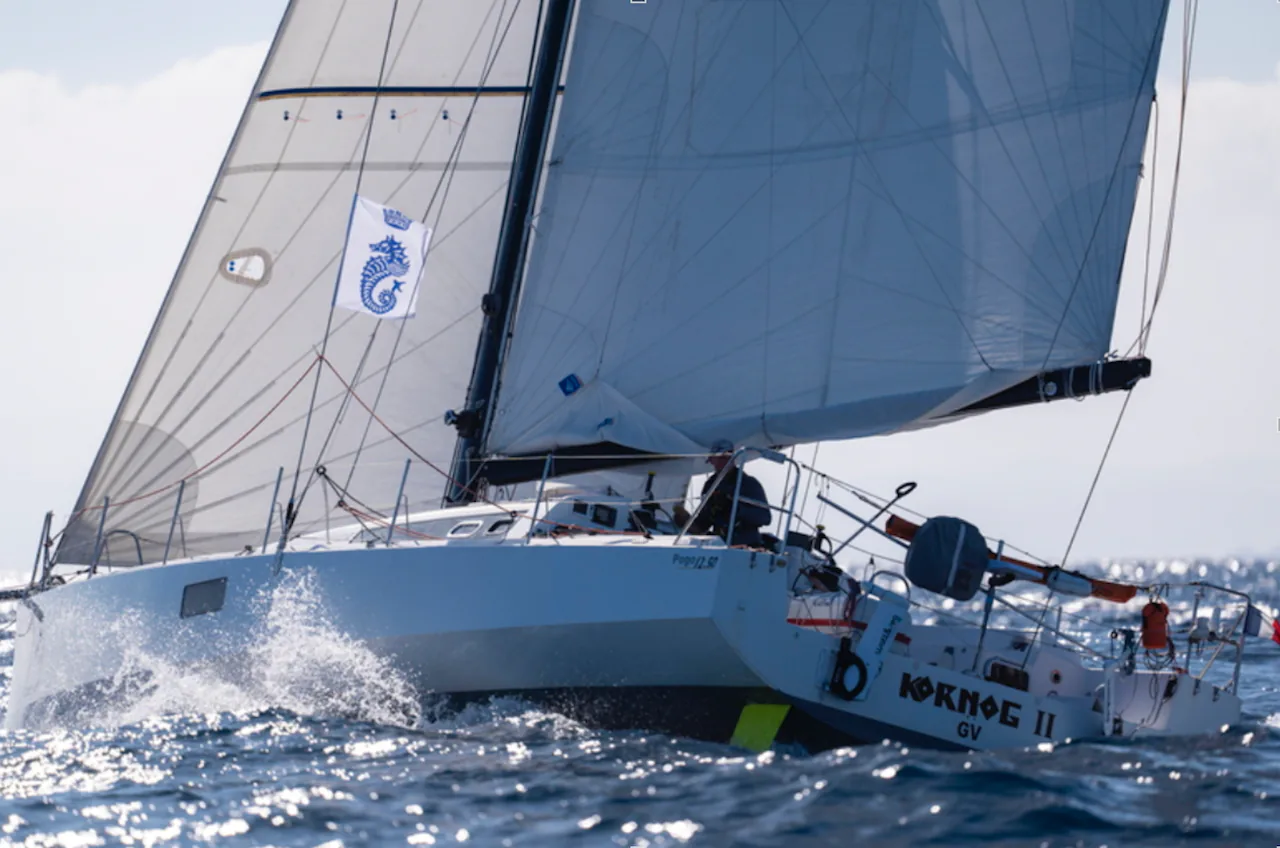
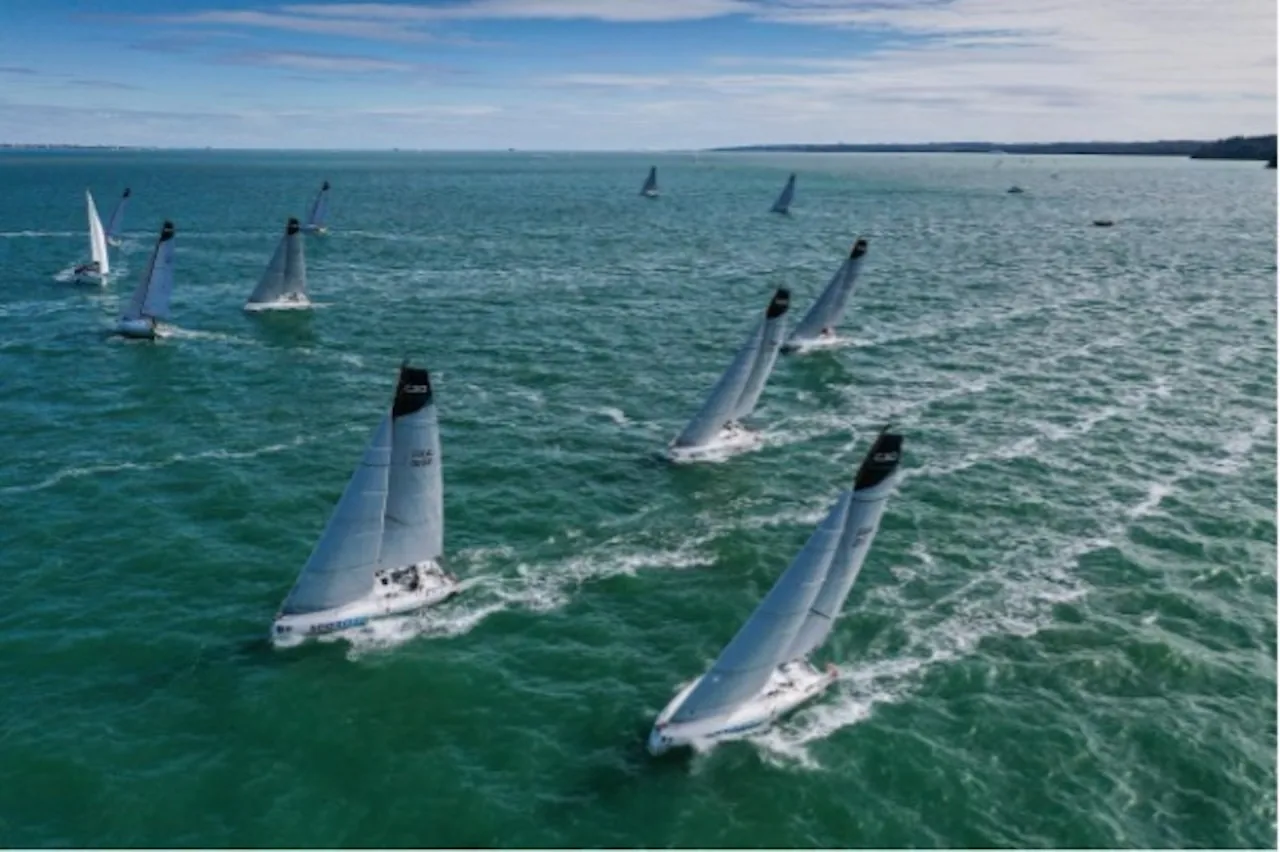
The 2026 championship will once again use the highly regarded Sun Fast 30 One Design fleet — boats specifically designed for modern offshore double-handed racing. Compact, powerful and brutally physical, they demand total concentration. Especially offshore.
The championship venue itself adds another layer to the challenge. Marseille has long been one of Europe’s great sailing cities, but the Mediterranean can be deeply deceptive. Flat calm one moment. Violent mistral conditions the next. The race format is designed to expose weaknesses quickly. The 2026 championship will include qualification races, a repechage round and then a winner-takes-all final. That structure means consistency matters — but so does surviving pressure when everything comes down to one decisive race. And in double-handed sailing, pressure compounds fast. Because when something breaks, or somebody makes a mistake, there are only two people available to fix it.
Britain will be permitted to nominate up to two mixed teams for the championship. Each team must feature one male and one female sailor, both eligible to represent Great Britain and both members of the RYA. But the selection process will not revolve around a single trial event. There simply is not time. Instead, selectors from the Royal Yachting Association, Royal Ocean Racing Club and UK Double Handed Offshore will assess sailors based largely on existing solo and double-handed race performances. Which makes sense. Because offshore sailing résumés matter. A lot. Results earned in rough weather, at night, while exhausted, usually tell selectors far more than polished inshore performances ever could.
The rise of double-handed offshore sailing reflects a wider shift happening across the sport. Campaign costs remain lower than fully crewed grand prix programmes.
The racing is rawer. Harder. More personal.
Crucially, it rewards versatility. Modern offshore sailors increasingly move between disciplines — from IMOCA campaigns to Figaro racing, The Ocean Race, Class40s and now double-handed world championships. The boundaries between solo, crewed and double-handed sailing continue to blur. But the skillset required remains brutally simple:
Keep the boat moving. Manage the weather. Stay awake. Do not break anything important.
There is another important layer here too. Offshore double-handed sailing increasingly sits inside wider conversations about the future Olympic pathway and mixed offshore racing formats. While Olympic offshore sailing remains politically complicated within the sport, events like this championship continue to strengthen the case for offshore disciplines on the global stage. Britain will want to remain competitive. The nation’s offshore pedigree is enormous. From the Vendée Globe to the The Ocean Race, British sailors remain deeply embedded in the highest levels of offshore competition. The Offshore Double Handed World Championship now forms another important part of that ecosystem.
Interested teams have until 21 May 2026 to submit expressions of interest.
With World Sailing’s nomination deadline arriving shortly afterwards on 1 June, the timeline is compressed. There will be no leisurely build-up. No drawn-out trials process. No second chances.
Which feels entirely appropriate for offshore sailing. Because offshore racing rarely waits for anybody to feel fully ready.
Double-handed offshore racing strips sailing back to its essentials.
Two sailors. One strategy. One shared level of exhaustion.
Somewhere around 3am, usually soaked and slightly cold, you discover very quickly whether your partnership actually works. That is why these events matter. The Offshore Double Handed World Championship is not just another regatta. It is a test of judgement, endurance, trust and stubbornness. Exactly the sort of sailing that tends to create the best stories afterwards in the yacht club bar. Usually told by sailors who swear they are never doing it again. Right up until the next entry form opens.