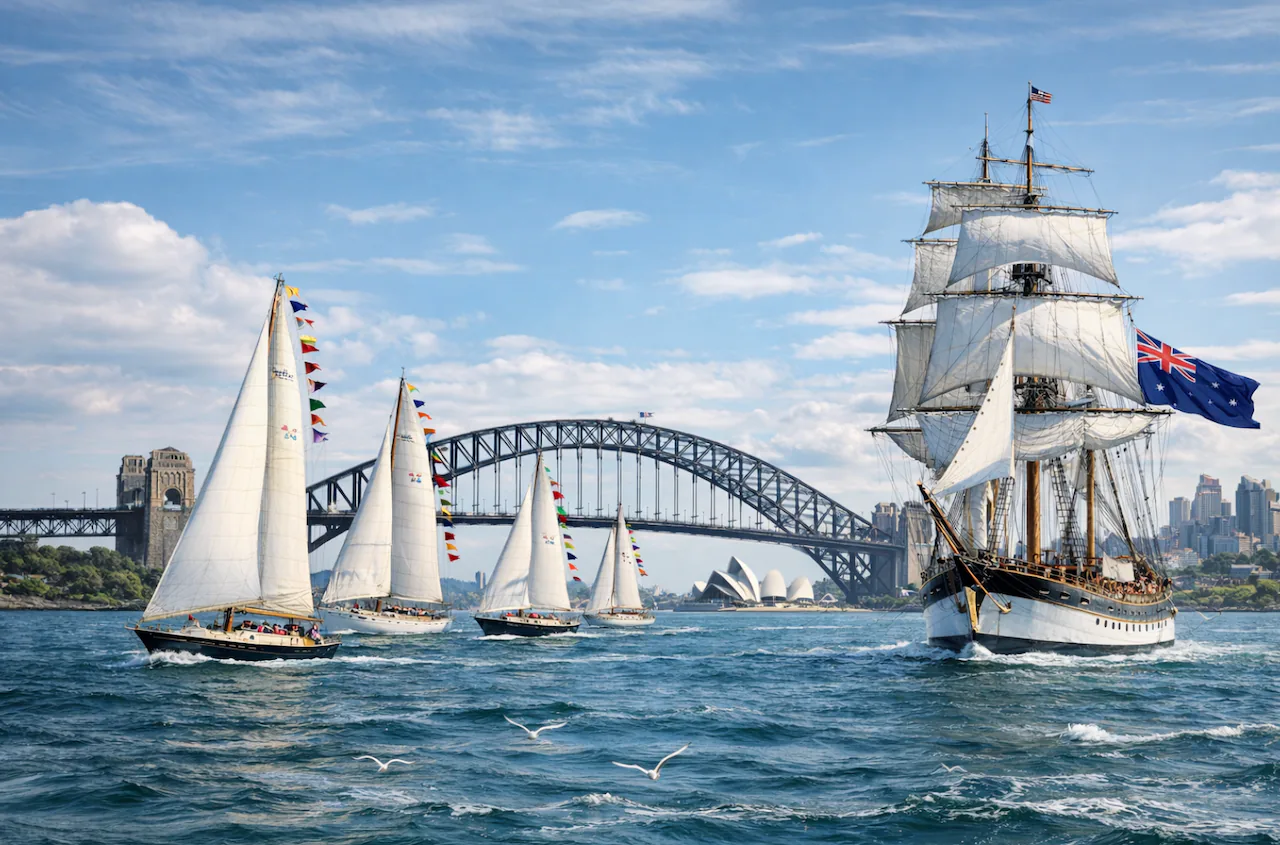
Few offshore races capture the spirit of Australian ocean racing quite like the Noakes Sydney Gold Coast Yacht Race. Stretching 384 nautical miles from Sydney Harbour to the glittering skyline of Southport on Queensland's Gold Coast, the event has long served as both a proving ground for ambitious crews and an important stepping stone towards the Rolex Sydney Hobart Yacht Race later in the year.
The 2026 edition once again demonstrated exactly why this race has earned its reputation over decades of competition. Sunshine, warm trade winds, spectacular wildlife and tactical puzzles combined to produce what many competitors described as one of the most enjoyable passages in recent memory. Beneath the idyllic conditions, however, lay a fiercely contested race where fortunes changed rapidly and victory was earned through patience, experience and flawless teamwork.
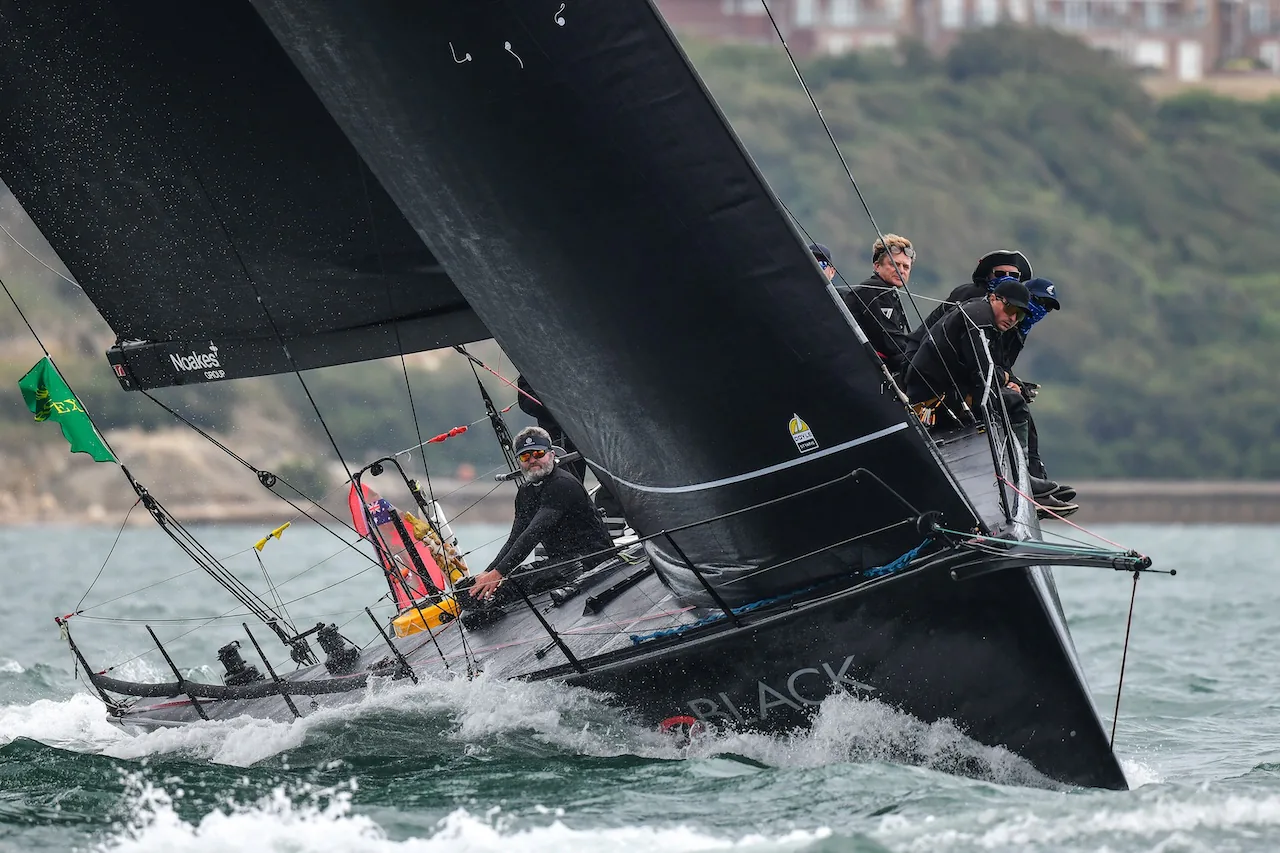
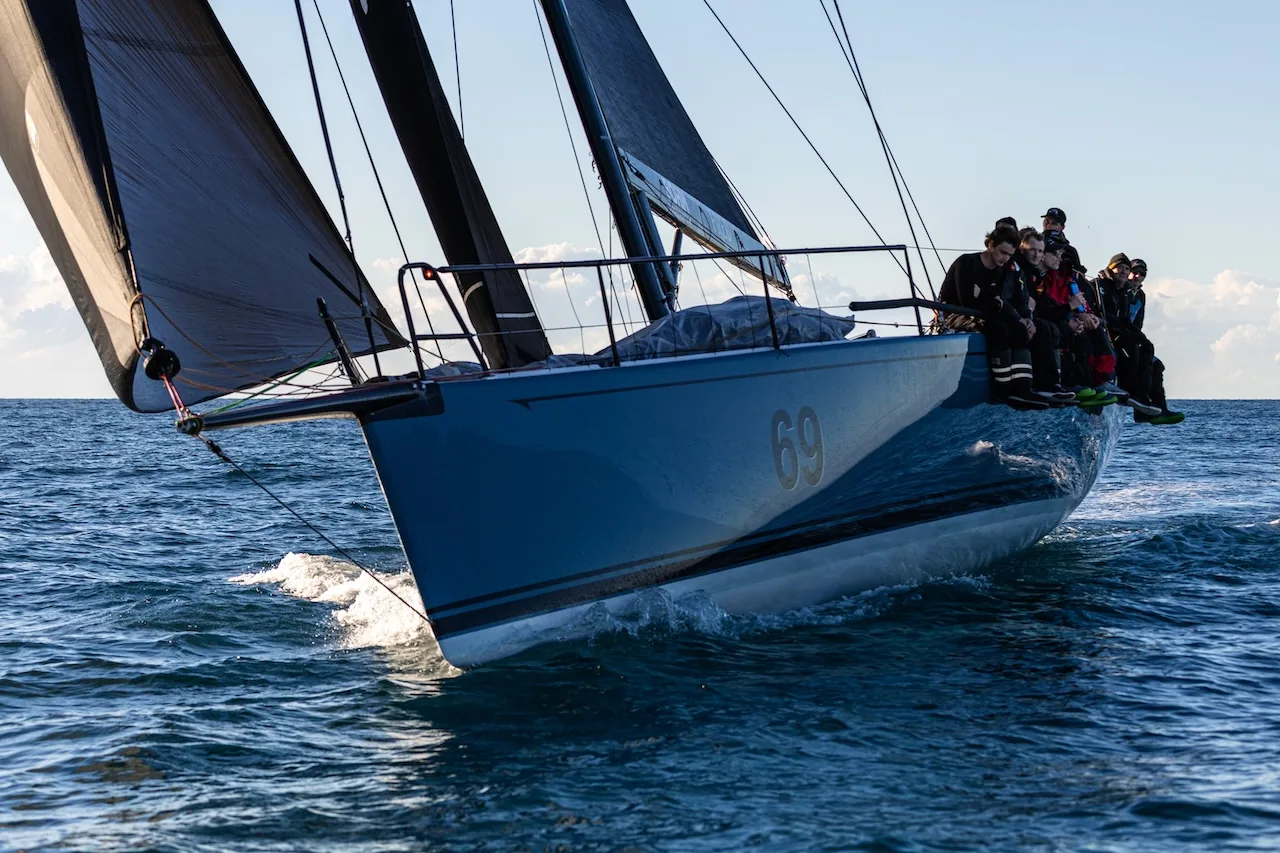
When Sean Langman's GP42 Back 2 Black crossed the finish line as the IRC Overall winner, few watching would have guessed how difficult the opening stages had been.
"We had a tough day the first day," Langman admitted afterwards. "We didn't seem to be able to get out of our own way."
For a period the eventual winners languished towards the back of the fleet, unable to find their rhythm as larger yachts stretched away. Offshore racing rarely rewards panic, though, and few skippers understand that better than Langman.
One of Australia's most recognisable offshore sailors, Langman has spent decades racing everything from ocean-going maxis to classic yachts. His calm approach eventually paid dividends as Back 2 Black settled into its stride. The lightweight GP42 proved perfectly suited to the reaching and running conditions that developed further north, allowing the smaller yacht to compete on equal terms with boats almost ten feet longer.
"The boats are pretty light," Langman explained. "They change gears well and downwind they hold their time."
Those words neatly summed up modern offshore yacht design. Raw length still matters, but intelligent design, careful sail selection and efficient crew work increasingly level the playing field.
Rather than celebrating only his own achievement, Langman chose to shine the spotlight on those around him. Navigator Belinda Tayler earned special praise after taking on navigation duties for the first time during the race. Young Eamon Braidwood completed his first overnight offshore passage alongside his father, while long-serving crew member Josh Alexander and the shore team also received heartfelt recognition.
Perhaps the most emotional moment came as Langman dedicated the victory to his late father, who had called Southport home. It was a reminder that offshore racing is often about far more than silverware. Every crew carries its own stories across the sea.
A Race with Deep Offshore Roots
Originally established in 1986 by the Cruising Yacht Club of Australia and the Southport Yacht Club, the Sydney Gold Coast Yacht Race quickly became one of Australia's premier winter offshore contests. While the Rolex Sydney Hobart Yacht Race understandably commands global attention every December, this race has quietly built its own distinguished reputation over four decades.
Its timing has always made it significant. Falling in the middle of the CYCA Blue Water Pointscore season, the race allows professional and amateur crews alike to refine boats, develop teamwork and test new equipment before the bigger challenges later in the calendar.
Many of Australia's greatest offshore sailors have stood on its podium. Legendary ocean racers including Syd Fischer, Bob Oatley, Matt Allen and Peter Harburg have all campaigned boats on this course over the years, while leading navigators and tacticians have often used the race to fine-tune their crews ahead of international campaigns.
Unlike the brutal southerly systems that frequently dominate races heading towards Hobart, the route north presents an entirely different challenge. The East Australian Current, coastal sea breezes, nocturnal land effects and unpredictable pressure lines constantly force navigators to make difficult decisions. Hugging the shoreline can deliver gains through favourable current relief, while standing offshore sometimes uncovers stronger pressure.
Success has always belonged to the crews capable of reading subtle weather patterns rather than simply sailing the shortest course.
Disko Trooper Delivers an Extraordinary Performance
While Back 2 Black deservedly claimed overall honours, one of the most remarkable stories belonged to the double-handed yacht Disko Trooper.
Co-skippers Jules Hall and Alex Knight produced a performance that bordered on extraordinary, sweeping almost every category available to them. Their haul included IRC Division Three, Corinthian IRC, Corinthian PHS, Double-Handed IRC and Double-Handed PHS, alongside second place overall under IRC.
Their race almost unravelled with the finish in sight.
Only five hours from Southport, a breaking wave caught the yacht during a sail trim. The mainsheet wrapped around the tiller, forcing an uncontrolled round-up while the spinnaker wrapped several times around the forestay.
"The first thing that goes through your mind is we're so close to the finishing line and we're about to throw the whole thing away," Hall admitted.
Many crews might have descended into chaos.
Instead, experience prevailed.
"No shouting. No finger-pointing. Just deal with it."
That simple philosophy perhaps defines successful offshore sailing better than any tactical discussion. Problems are inevitable at sea. Winning crews solve them quickly.
Once clear of the tangle, Hall and Knight shifted from attacking Back 2 Black to protecting second place overall, bringing home one of the most impressive double-handed performances seen in the race for many years.
The pair also described the race many sailors dream about.
Bright moonlight illuminated the ocean overnight while whales surfaced nearby and dolphins played around the yacht as steady breeze pushed them northwards.
Those magical moments are impossible to replicate ashore and explain why offshore sailors willingly return year after year.
Ambition Continues to Build
Third overall went to Chris and Lockie Dare aboard Ambition, another GP42 that demonstrated how modern forty-footers continue challenging significantly larger yachts.
Having spent the season learning their new boat, the crew steadily improved with every offshore contest.
"It was super-tight racing," Chris Dare reflected.
"They managed to get away off the coast, and at one point it was just hard to peg them back."
Like Langman, Dare praised the boat's ability to stay with the larger TP52 fleet in moderate reaching conditions.
Below fifteen knots, careful trimming and efficient crew work allowed the GP42 to sail almost boat-for-boat against much larger and more expensive competitors.
Forty Years in the Making
Line Honours produced another compelling story.
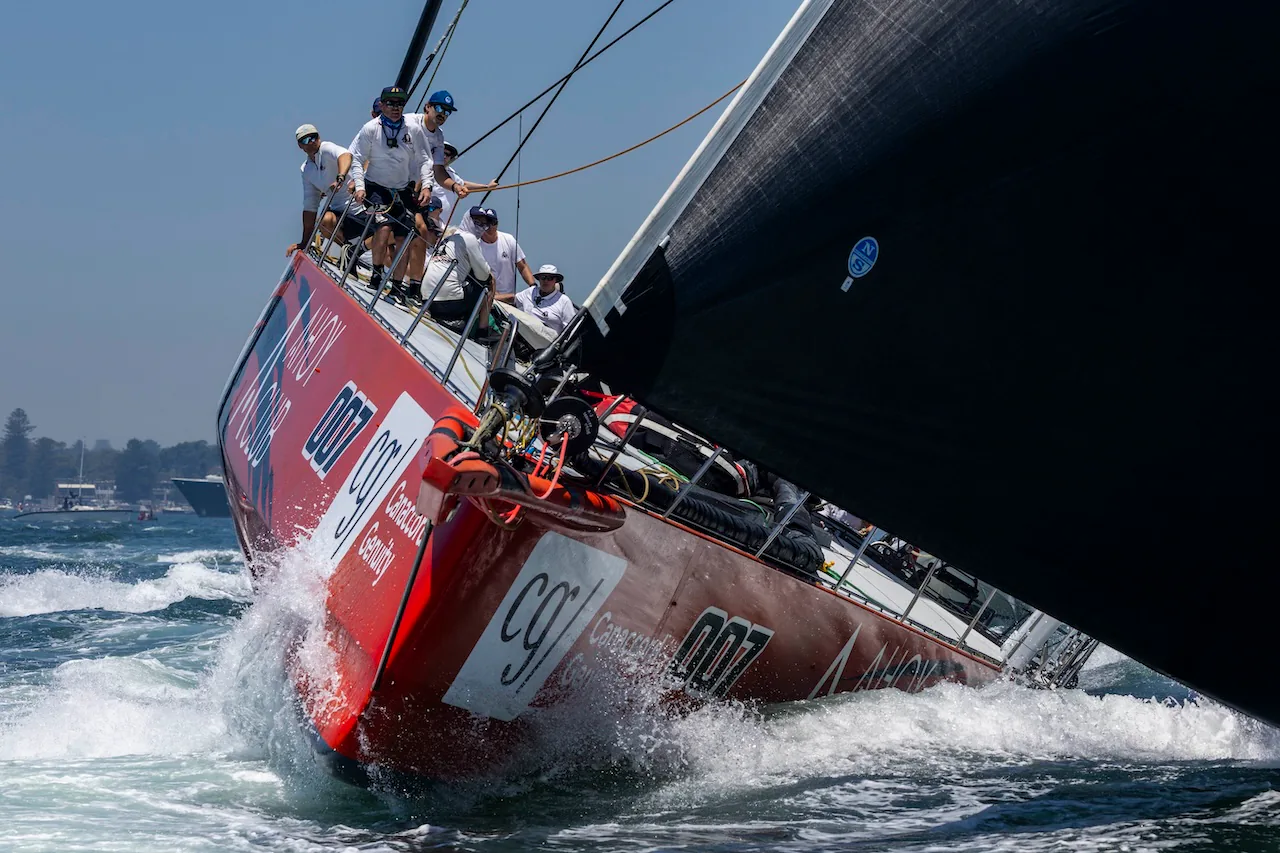
Smuggler's skipper Tim Davis and legendary tactician Steve McConaghy gambled on sailing outside the fleet shortly after the Sydney Heads, hoping to repeat the successful strategy that had worked twelve months earlier.
Initially the decision looked disastrous.
The main fleet escaped ahead while Smuggler slipped seven miles behind its principal rivals.
Rather than abandoning the strategy, the crew trusted their weather analysis.
Overnight they clawed back every mile before transforming the deficit into a commanding lead.
Holding first place brought fresh challenges because there was no rival ahead to reveal wind holes or pressure shifts.
"We found a lot of the holes ourselves," Davis admitted.
For Steve McConaghy, however, the victory carried immense personal satisfaction.
"I've been trying for nearly forty years to win this race on Line Honours."
One of the world's finest offshore tacticians finally achieved a goal that had eluded him across four decades.
McConaghy credited countless flawless sail changes together with a settled crew who have raced together consistently over recent seasons.
That continuity often separates winners from the rest in offshore competition.
A Classic Australian Offshore Contest
The Noakes Sydney Gold Coast Yacht Race continues to occupy a unique place within Australian sailing.
Unlike many offshore events that attract only elite professional teams, this race blends fully-crewed campaigns, Corinthian sailors, ambitious double-handed partnerships and experienced family crews.
First-time offshore sailors share the same start line as America's Cup veterans.
Future champions gain experience alongside living legends.
That mixture gives the race its enduring character.
The 2026 edition provided everything offshore racing should offer. Tactical recoveries, emotional victories, spectacular wildlife encounters, mechanical scares, strategic brilliance and stories of perseverance all unfolded across 384 unforgettable nautical miles.
As attention now turns towards the Flinders Islet Race and ultimately the Rolex Sydney Hobart Yacht Race, this year's Sydney Gold Coast Race has once again reminded everyone why Australia's offshore sailing calendar remains among the finest in the world.
Some victories are measured in trophies.
Others are measured in memories carried ashore long after the sails have been packed away.
The crews who raced north this year returned with both.