Flybridge boats and yachts
Flybridge models from the main European builders, from 36ft outboard weekenders to 70ft-plus motor yachts. Every specification on the linked model pages comes from the builder's own website, with a source link and the date we checked it.
What is a flybridge?
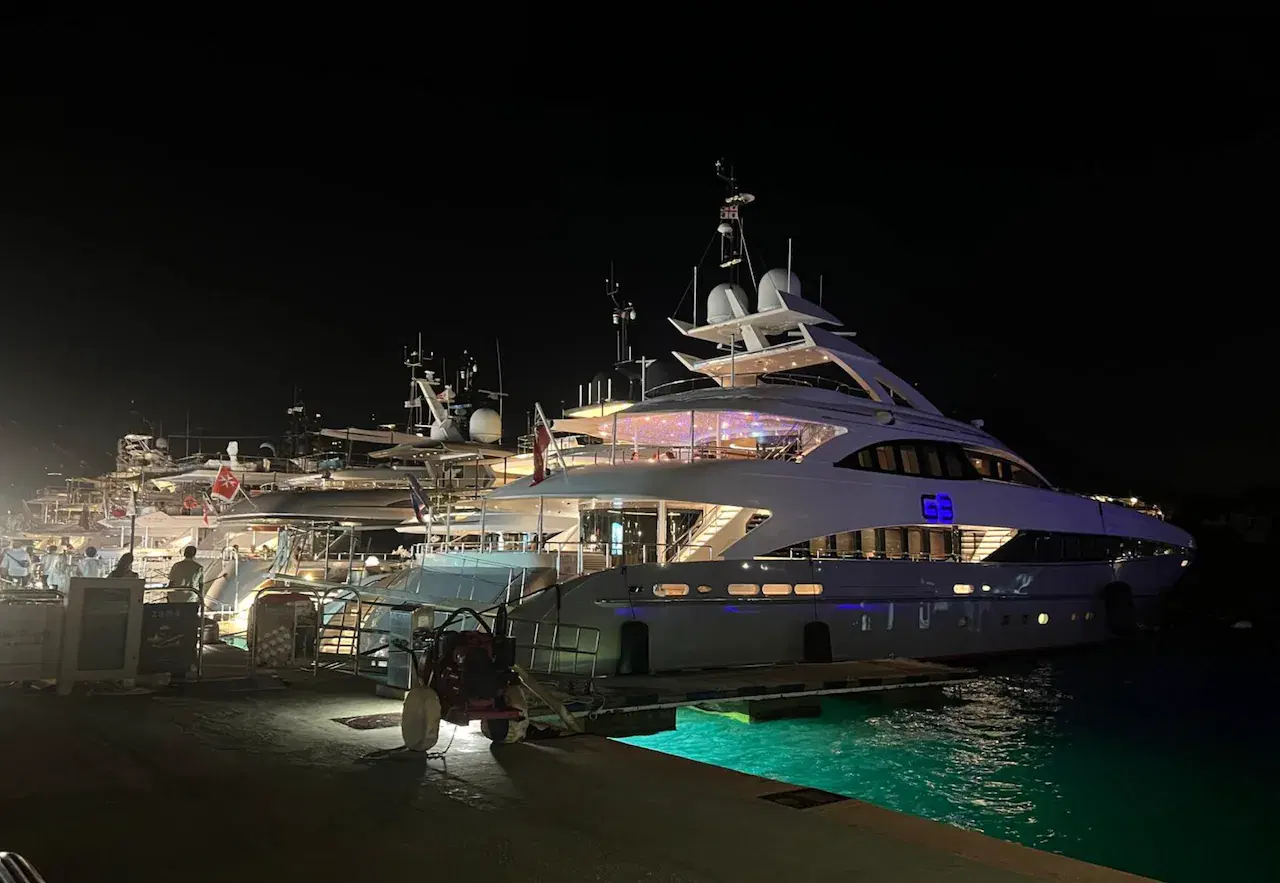
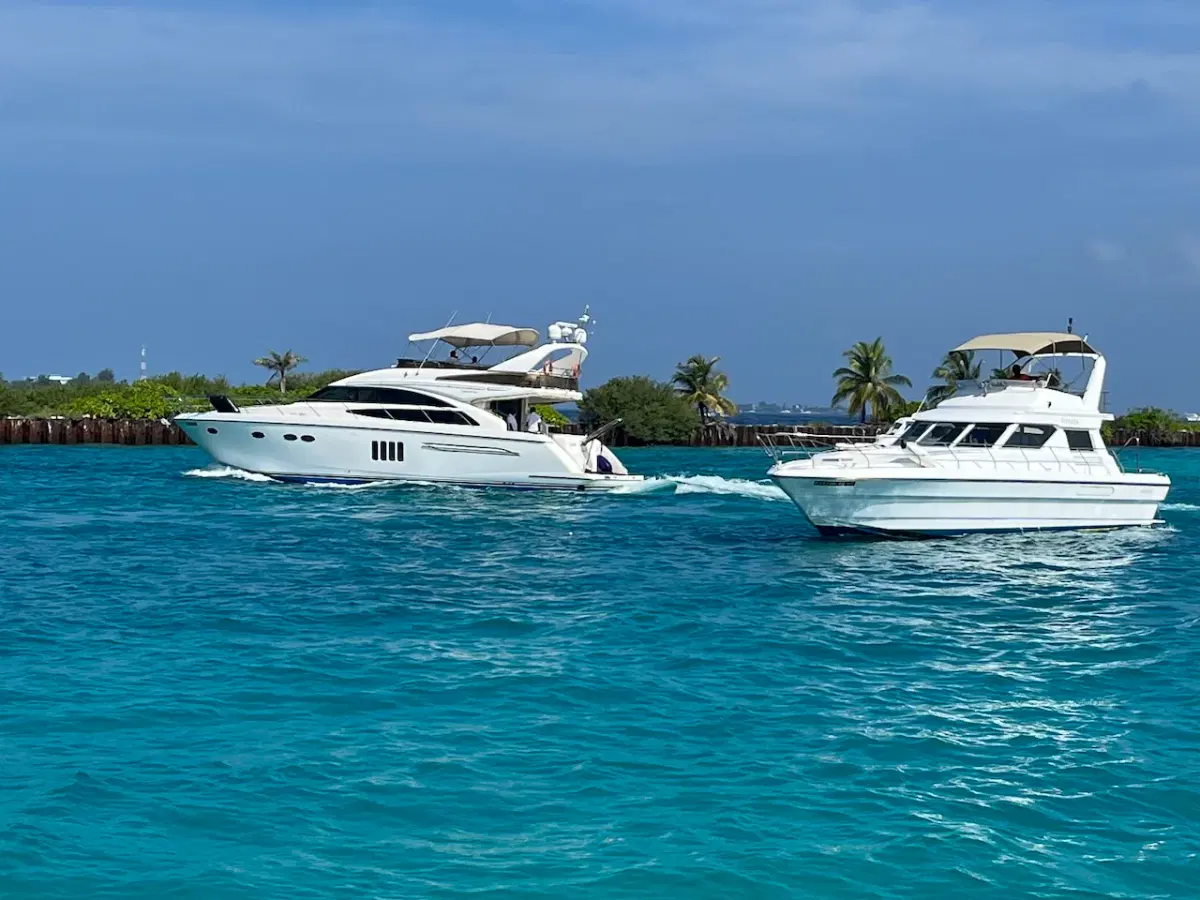
A flybridge (or flying bridge) is an open upper deck on top of a motor boat's saloon, with a second helm station. The design dates back to before the Second World War. Today the upper helm usually mirrors the lower one, with chartplotter, engine controls, VHF, thrusters and, on pod-drive boats, a docking joystick. Around it there is normally seating, a table, sunpads and often a wet bar or grill, under a bimini or hardtop.
From the flybridge you can see the whole length of the boat and well over neighbouring craft, which helps with berthing, spotting lobster-pot buoys and reading busy water such as the Solent in Cowes Week. The lower helm in the saloon is there for cold, wet or night passages.
Pros and cons
Flybridge sizes
Under 40ft: outboard and compact flybridges
Easy to handle with a small crew, and often on outboards, so they are lighter and draw less water.
40–55ft: the family flybridge
The most popular size in UK marinas. Most have three cabins and pod drives with joystick docking.
55–70ft: owner-driver to crewed
These usually have an optional crew cabin and shaft drives on twin diesels.
70ft and over: flybridge motor yachts
Usually crewed, and often needing a superyacht-capable berth.
Flybridge ranges by builder
Buying a used flybridge
- Get a full out-of-water hull survey and a separate engine survey, including oil analysis.
- Check the flybridge deck, seat bases and stair treads for stress cracks, soft spots and leaks into the saloon headlining.
- Test the upper helm: electronics, engine controls, thrusters and joystick, plus the wiring run between the two helms.
- Look at the windscreen, bimini or hardtop, and covers. They are costly to replace.
- Measure air draught against bridges and covered berths on your cruising ground, and check marina height limits.
- Check engine hours, service records, the CE design category and VAT/RCD paperwork.
Flybridge FAQ
What is a flybridge on a boat?
A flybridge is an open upper deck on top of a motor boat's saloon, with a second steering position (helm) and usually seating, a table and sunpads. The name comes from the 'flying bridge' on early 20th-century ships. Flybridge boats are also called 'fly' models, for example Princess F50 or Absolute 52 Fly.
What are the pros and cons of a flybridge?
In favour: a high, all-round view from the upper helm, a second outdoor living space, and a choice of where to steer in hot or wet weather. Against: more windage when berthing in a crosswind, a higher centre of gravity, a taller air draught for bridges and covered berths, and more to maintain (helm electronics, covers, bimini and seating up top).
What is the smallest flybridge boat?
Flybridges start at around 30–36ft. In our database, the smallest are outboard models such as the Jeanneau Merry Fisher 1095 Fly (10.45 m) and the Beneteau Antares 11 Fly (11.08 m).
What is the difference between a flybridge and a hardtop or coupé?
A hardtop or coupé has a single helm on the main deck under a fixed or sliding roof. A flybridge adds an open upper deck with a second helm. Hardtops are lower and have less windage; flybridges give more outdoor space and a higher view.
Is a flybridge worth it in the UK?
Many UK owners use the lower helm in poor weather and the flybridge in summer. Check the boat's air draught against any bridges on your cruising ground and the height limits of your marina, and look for a bimini or hardtop over the flybridge.
What should I check when buying a used flybridge?
Get a full out-of-water survey and an engine survey. Look at the flybridge deck and seat bases for cracks and soft spots, the windscreen, the upper helm electronics and wiring, the stairs and handrails, and the condition of covers and bimini. Check engine hours, service history, and the CE design category for where you plan to cruise.
Builders publish specifications as non-contractual and may change them; confirm with a dealer before buying.