

A Boxing Day institution where grit meets ocean









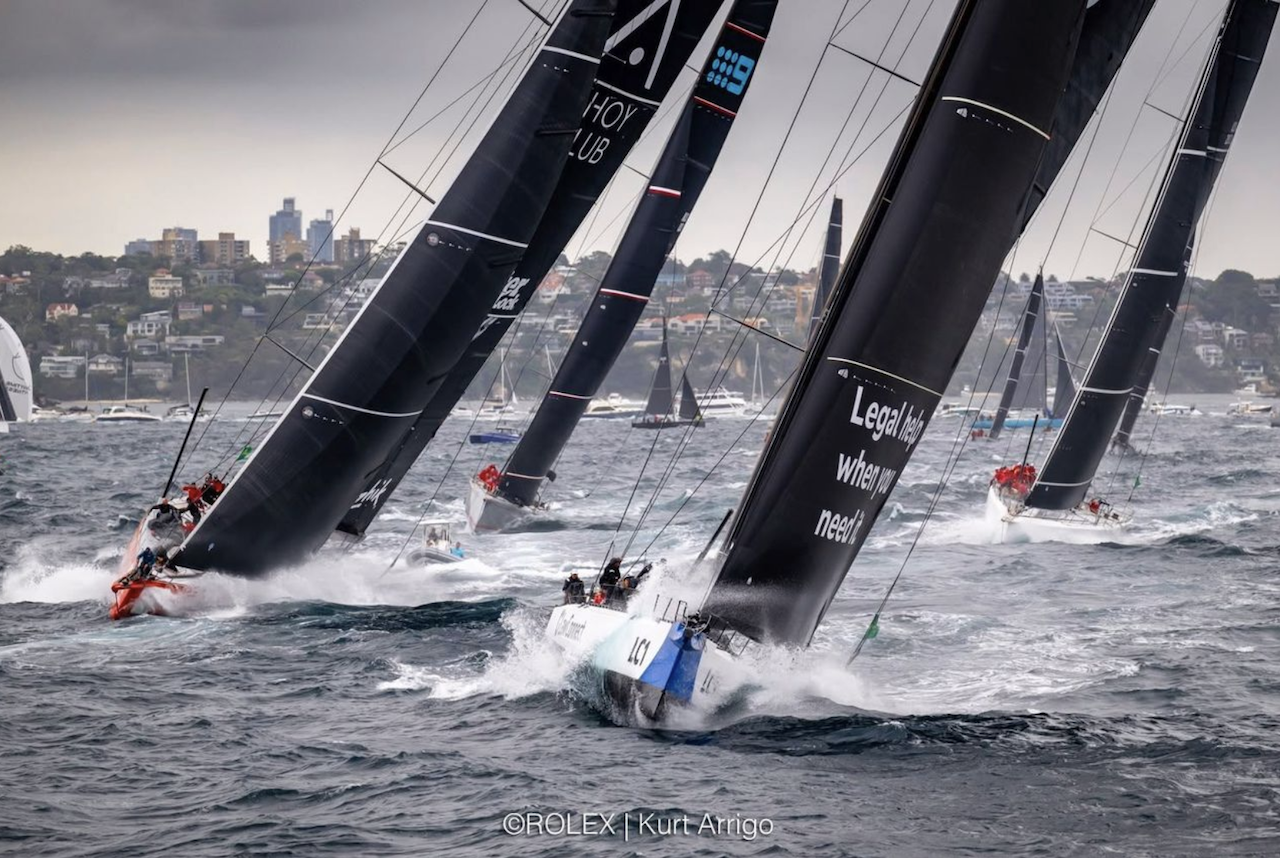
The fleet — 129 boats of all sizes — carved a corridor through the swirling start line at Rushcutters Bay at 1300 on Boxing Day, bows pointed toward Hobart and hearts set on legend. From the outset it was clear this wouldn’t be a procession. Strong southerly winds, pounding swells and an unforgiving Bass Strait test meant the battle would be as much about staying in it as being fast. Nine
A Start With Teeth
In classic Hobart fashion, the drama began even before the official gun. Yendys, a seasoned contender, broke her backstay and was forced to withdraw just minutes before the start — a reminder that this race respects no one. Live Sail Die
As the horn sounded, LawConnect — defending Line Honours champion — leapt into an early advantage, punching through Sydney Heads ahead of the pack and setting a daunting pace. But it wouldn’t stay that way for long. Reuters
By the first night out to sea, the heavyweight duel had formed: Master Lock Comanche and LawConnect trading tacks and miles, with SHK Scallywag 100 lurking just behind. These supermaxis — behemoths designed for speed — were in a three-way fight that would carry them deep into the Tasman Sea.
Bass Strait: The Middle Of Nowhere That Changed Everything
Bass Strait has a reputation as a place where races are won and lost, and 2025 delivered the usual tests in spades. Wind angles oscillated and seas kicked up under heavy pressure bands, forcing navigators to make calls that carried heavy consequences. The big boats led into the zone, but smaller boats in stronger breeze found themselves making up ground, skimming waves and chasing every fraction of apparent wind.
This was not a race for the faint of heart. More than 30 boats pulled out by the second night: rudder failures, rigging issues, and sheer crew exhaustion taking their toll. Wild Thing 100, a much-anticipated challenger with a fresh rig, succumbed to gear failure — a bitter blow in any Hobart. Kiwi entries V5 and Vixen also retired, adding to an early attrition toll that underscored Bass Strait’s volatility.
The Lead Pack Tightens
As the race clock ticked south, the leaderboard tightened. Master Lock Comanche, skippered by Matt Allen and James Mayo, had edged into the lead and held a narrow advantage over LawConnect, with SHK Scallywag 100 pressing hard in third. Just behind them sat Lucky, an American entry from the New York Yacht Club, and Palm Beach XI, the former Wild Oats XI with a storied Hobart history.
The positions, as tracked mid-race, painted a picture of a battle that was as much tactical as it was physical.
1st – Master Lock Comanche (NSW) — holding a slight edge in both pace and position.
2nd – LawConnect (NSW) — defending champion and perennial contender.
3rd – SHK Scallywag 100 — the Hong Kong-owned script-flipper in a classic chase.
4th – Lucky (USA) — a strong performance from the American fleet.
5th – Palm Beach XI — once the king of Sydney to Hobart, still mixing it at the sharp end.
Every one of those boats was posting double-figure speeds, but the Southern Ocean has a way of making even a small change in pressure feel vast. A late penalty turn for SHK Scallywag, executed to avoid future time penalties, demonstrated just how finely poised these battles were.
The Human Element: Weather, Waves and Weariness
Offshore racing is as much about people as it is about hardware. Crews spent long watches steering into seas with 20–30 knot winds, hands raw and minds locked on every shift. Helm calls blended with tactical updates, and every squall brought a fresh tally of sweat and salt.
The Southern Ocean doesn’t roar every year, but when those swells lock in and the wind stiffens for days on end, sailors enter a kind of ordered survival mode: trims refined, risks assessed, and goals reduced to simple truths — stay upright, stay fast, stay alive.
The Final Stretch — Derwent Dreams and Nightmarish Lulls
Approaching Tasmania brings a mix of relief and anxiety. Scores are tallied, standing rigging inspected each watch, and every crew knows the story of Hobart’s final hurdle: the Derwent River. Like a trickster, its fickle afternoon breezes can make a leader a sitting duck or a straggler suddenly fast.
At the point of writing, the leading group was still racing south of Gabo Island, the finish line yet hours away and the Derwent wind pattern still a factor to be won or lost.
But no matter what the finish order becomes, the narrative has already been written across sunburned faces, shredded gloves and lines pulled taut in the dark.
Why 2025 Will Be Remembered
This year’s Rolex Sydney Hobart Yacht Race wasn’t the easiest on record, but it was one of the most complete tests of offshore craft and crew. It brought together international challengers and local veterans, pedigree boats and hungry upstarts — all subjected to the harsh but fair judgement of ocean and wind.
More than 30 retirements, several gear failures and strategic call after call reminded everyone that Hobart remains a race where ‘because we could’ is never enough reason to finish.
And so, as these yachts dot the final miles toward the Tasmanian capital, and as Constitution Dock begins to fill with battle-scarred hulls and exhausted sailors, there’ll be stories — long, salty and unvarnished — of every tack, trade-off and survived squall.
For those on the rail this year — and those watching from shore — the 80th Sydney Hobart will be remembered not just for its leaders, but for the relentless push that nearly every competitor made from start to finish.