Setting & Character
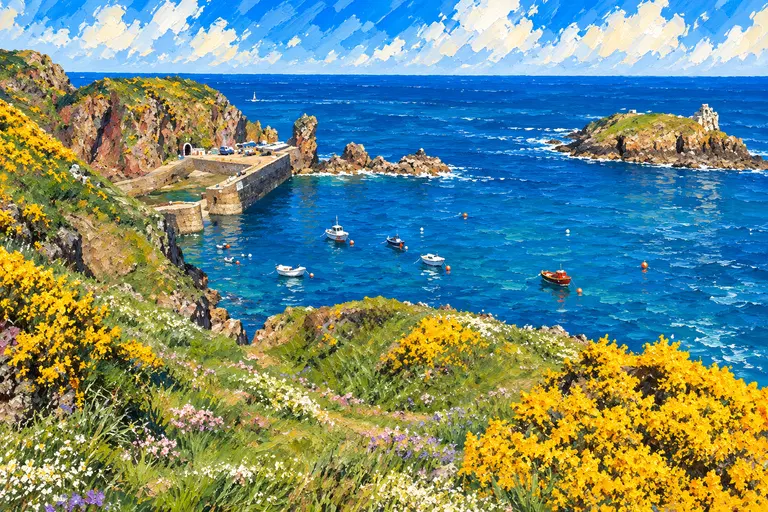
Sark rises sheer from the sea, with the island's lanes, farms and village on the plateau above. Tractors and bicycles replace cars. From the water, the cliffs, caves and rocks make every bay feel remote.
Arrival by Sea
Sark sits in strong tidal streams among rocks and reefs, so arrive with a current large-scale chart and an almanac, and plan for slack water or a fair stream. Each anchorage is exposed to one quarter or another, so pick yours on the forecast and be ready to move.
Sark is not a port of entry. You must first clear in at St Peter Port, Beaucette, St Sampson's or Braye in Alderney; you cannot arrive directly at Sark from outside the Bailiwick.
Anchorage Experience
The Sark Harbourmaster keeps yellow visitor moorings at Havre Gosselin on the west coast and Grève de la Ville on the east, first come, first served. The fee is £25 per 24 hours or part, paid at the Visitor Centre or through the SumUp QR code. The moorings are checked every year, but you use them at your own risk.
Guernsey Harbours' anchorage notes list settled-weather anchorages including Dixcart and Derrible bays on the east coast, La Grande Grève under La Coupée in easterly winds, and Port à la Jument and Saignie Bay in Banquette Bay on the north-west. Avoid the private moorings everywhere.
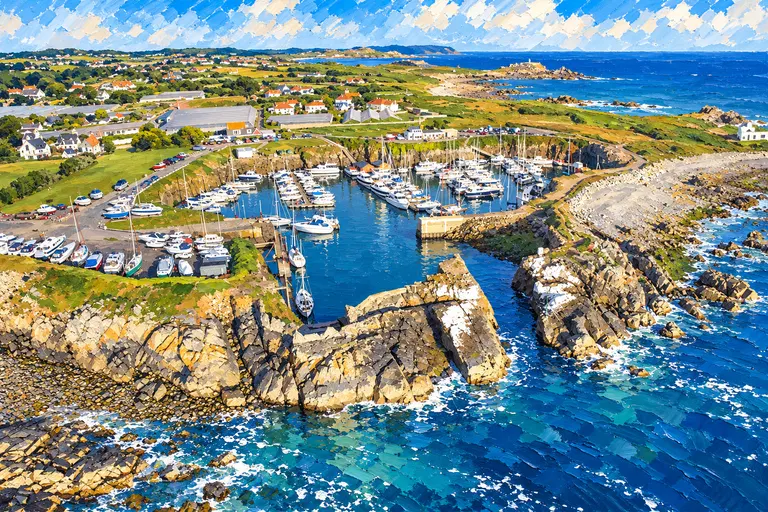
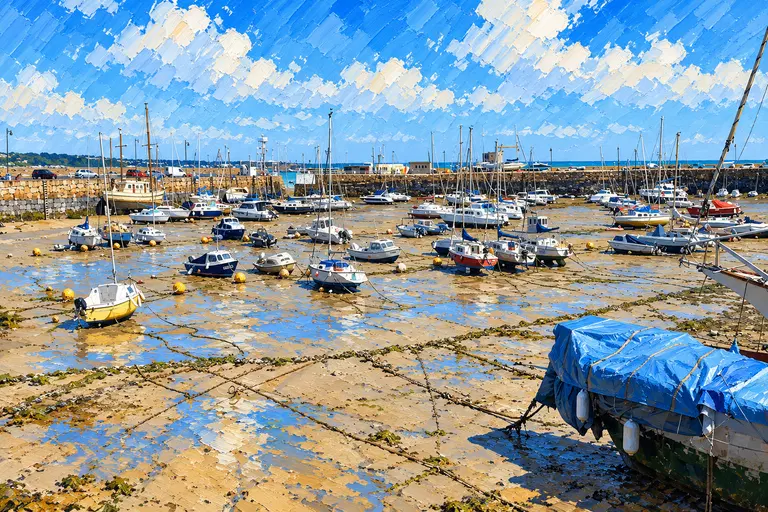
Maseline is the commercial harbour and is also used for emergency evacuations. You can drop off or pick up passengers when the jetty is clear, but you may not tie up or stay alongside at any time, day or night, and its moorings are private. Creux is a drying working harbour where you may moor against the wall, keeping the steps and slipway clear; tell the Harbourmaster if you leave the boat unattended.
Getting Ashore
Havre Gosselin has landing steps and a ladder for low tide, then a climb to the Pilcher Monument and about 15 minutes' walk to the Avenue. Grève de la Ville has landing steps and beach access at low tide, about five minutes' walk from the edge of the village. At Creux, the toilets (free) and showers (small charge) are through the tunnel.
Ashore
The Avenue is the island's high street, with shops, the Visitor Centre and places to eat and drink; the Harbour Café at Creux is open most days in summer. Walk or hire a bicycle to La Coupée, the narrow ridge between Big and Little Sark.
Wildlife & Conservation
Sark's cliffs, caves and offshore rocks are home to seabirds and rich marine life. Keep clear of nesting cliffs, take rubbish back aboard and use the visitor moorings where you can.
Best For
Settled weather after clearing in at Guernsey; crews who enjoy a dinghy landing and a cliff walk; anyone after somewhere genuinely quiet.
Less Suitable For
Unsettled or changeable weather; boats needing a pontoon or fuel; anyone who hasn't yet cleared customs.
Nearby Cruising
Herm and St Peter Port lie to the west, and Jersey to the south-east.
Skipper's Notes
Clear in at Guernsey or Alderney first. Choose Havre Gosselin or Grève de la Ville to suit the wind, pick up a yellow buoy and pay £25 at the Visitor Centre or by QR code. Never tie up at Maseline. At Creux, keep the steps and slipway clear and tell the Harbourmaster if you leave the boat.
Old Sea Dogs View
Sark asks a bit more of you, but a quiet night on a yellow buoy under the cliffs is worth every minute of the planning.
Information checked against official sources
The practical information in this Guide was checked against the source records below on 21 October 2026. Operational details can change.
- Isle of Sark — Visiting boats
- Sark Government — Living on Sark (harbours)
- Guernsey Harbours — Anchorages (Guernsey Yacht Club notes)
- States of Guernsey — GC27 and approved ports