
RORC Transatlantic Fleet Update Articles
From overall and class victories under IRC, to record-breaking multihull and monohull performances, the race showcased the depth of both professional and Corinthian talent across an international fleet. It was also a race marked by tragedy, serving as a sobering reminder of the inherent risks of offshore sailing and the importance of safety, experience and mutual support at sea. Against that backdrop, the achievements of the competitors stand as a powerful testament to endurance, teamwork and respect for the ocean.
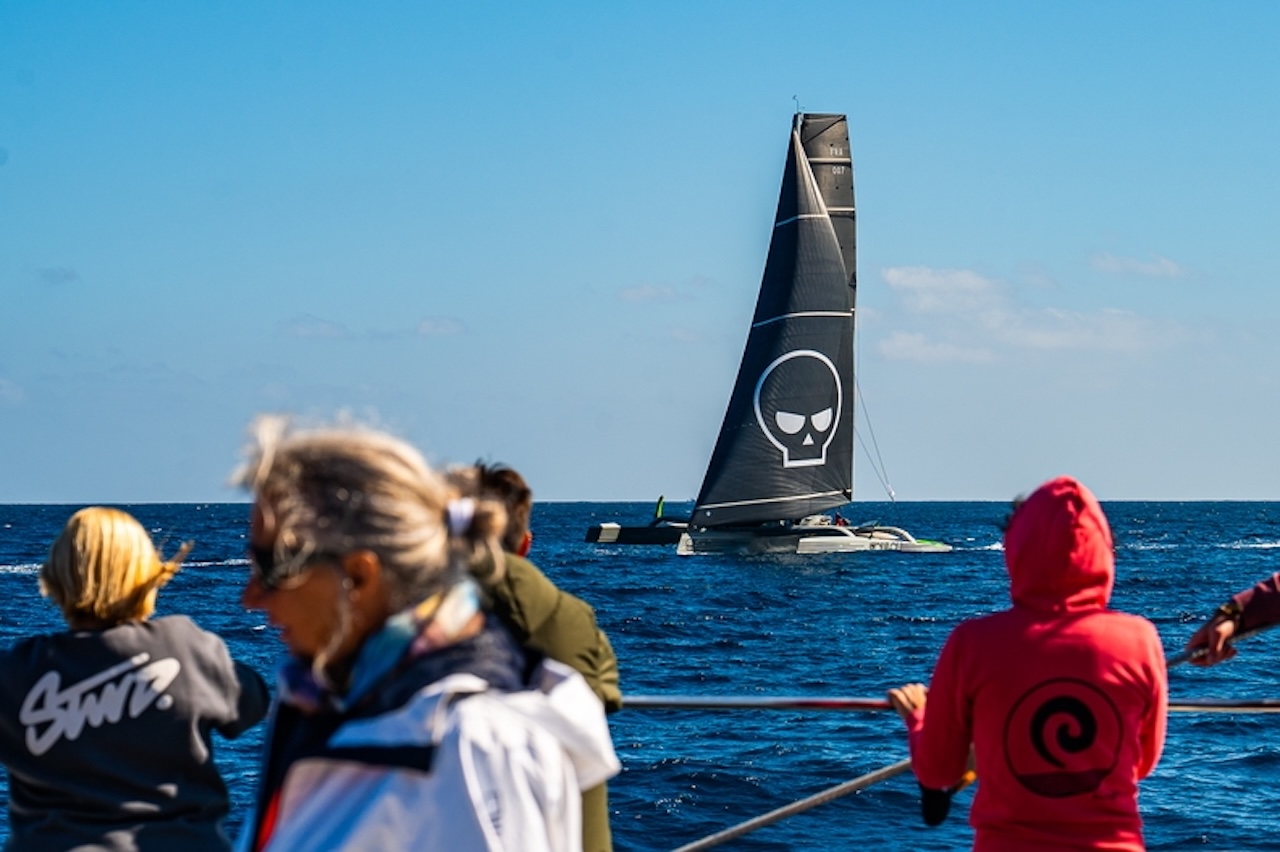
© Lanzarote Sport
Different boats. Different ambitions. One unforgiving ocean.
19-02-2026
Raven Unleashed: Speed, Stability and a New RORC Transatlantic Race Record Crossing the finish line off English Harbour at close to 30 knots of boat speed, Raven completed the Atlantic crossing in six days and 22 hours, a performance that signals a decisive shift in what modern offshore monohulls are capable of. Light for her length, foil-assisted and engineered to sustain extreme average speeds over multiple days, Raven represents not just a fast yacht — but a new design philosophy coming of age.
09-02-2026
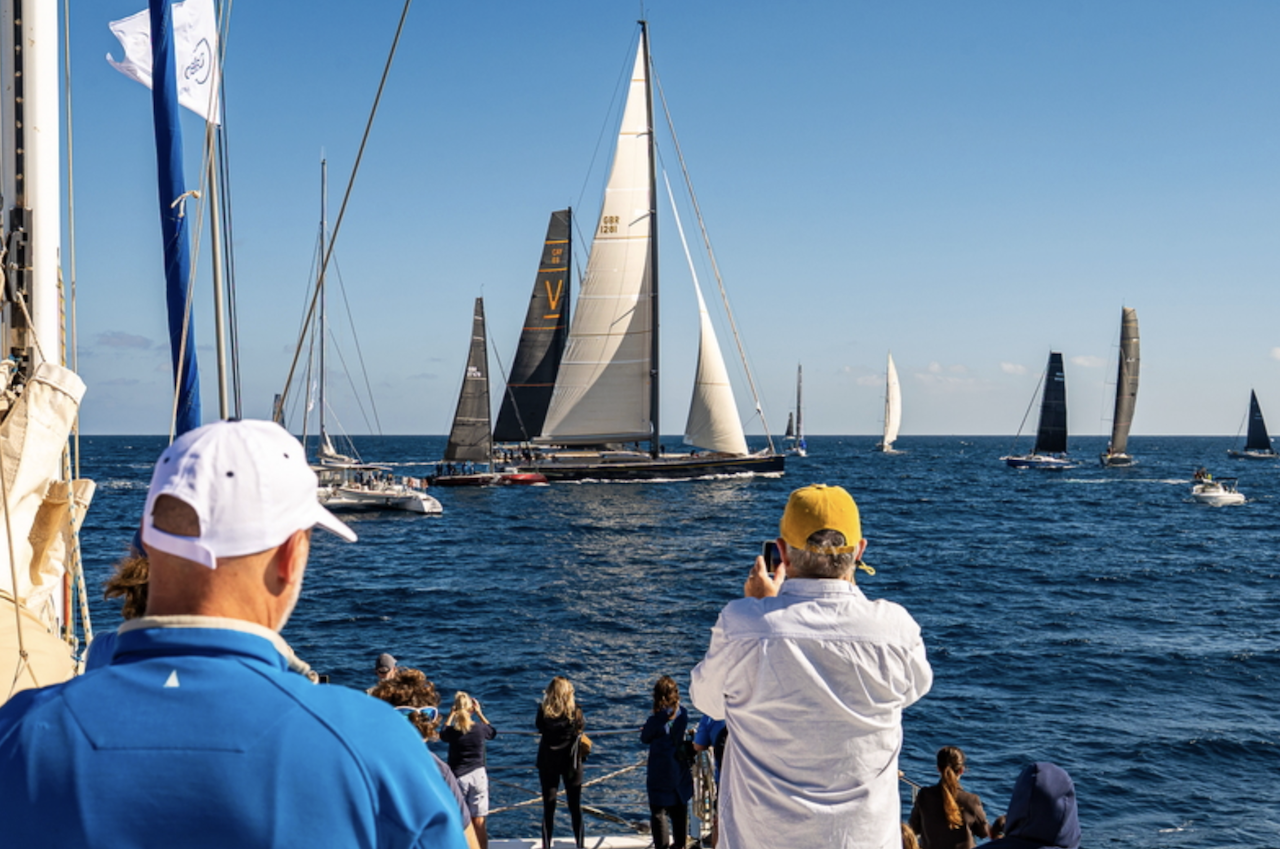
The 2026 RORC Transatlantic Race will be remembered as the moment a new benchmark was laid down in offshore monohull sailing. The 34-metre Baltic 111 Raven didn’t just win — she rewrote the record book, claiming Monohull Line Honours, securing the IMA Transatlantic Trophy, and setting a new monohull race record on the 3,000-nautical-mile passage from Lanzarote to Antigua.
09-02-2026
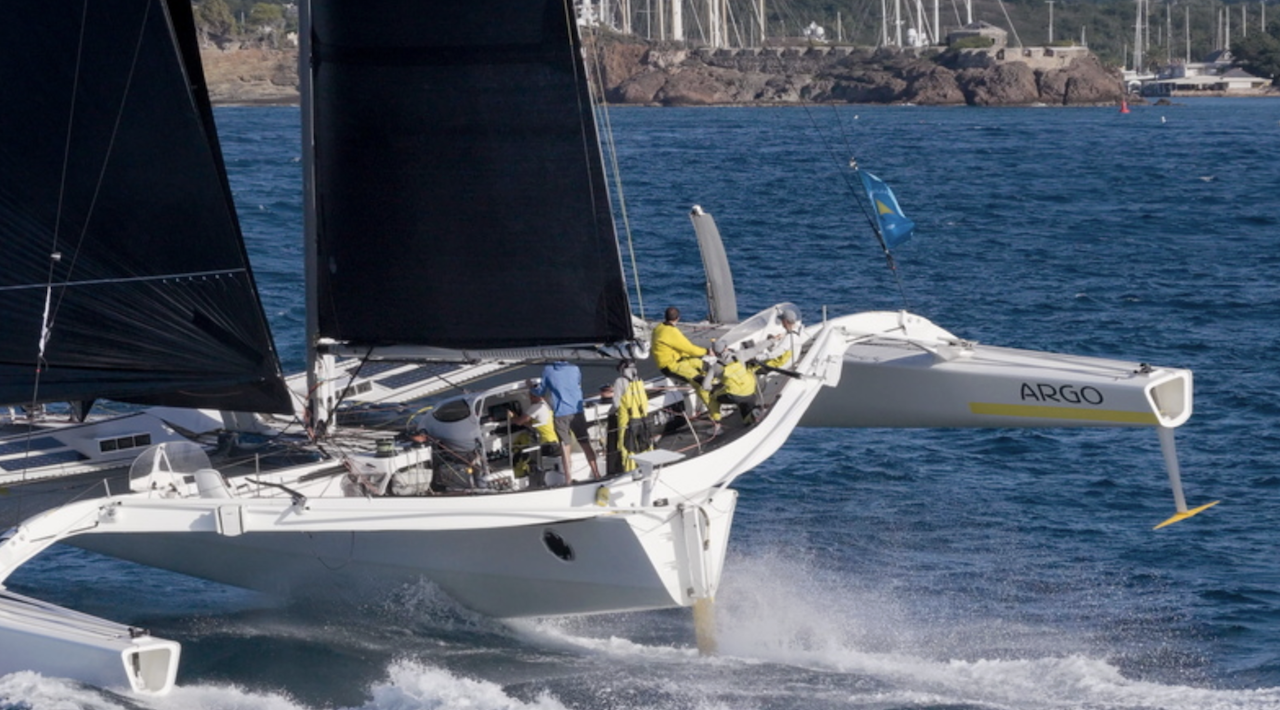
Three days into the 2026 RORC Transatlantic Race, the fleet has made its collective decision — and it’s the decision that has shaped Atlantic crossings for generations. Every boat has committed to the southern escape from the Canary Islands, pressing down the African coast before turning west for Antigua, avoiding the lighter air to the north and positioning early for the trade winds that will define the race.
05-02-2026
Three days into the 2026 RORC Transatlantic Race, the fleet has made its collective decision — and it’s the decision that has shaped Atlantic crossings for generations. Every boat has committed to the southern escape from the Canary Islands, pressing down the African coast before turning west for Antigua, avoiding the lighter air to the north and positioning early for the trade winds that will define the race.
05-02-2026