

Offshore Sailing News Articles
From overall and class victories under IRC, to record-breaking multihull and monohull performances, the race showcased the depth of both professional and Corinthian talent across an international fleet. It was also a race marked by tragedy, serving as a sobering reminder of the inherent risks of offshore sailing and the importance of safety, experience and mutual support at sea. Against that backdrop, the achievements of the competitors stand as a powerful testament to endurance, teamwork and respect for the ocean.
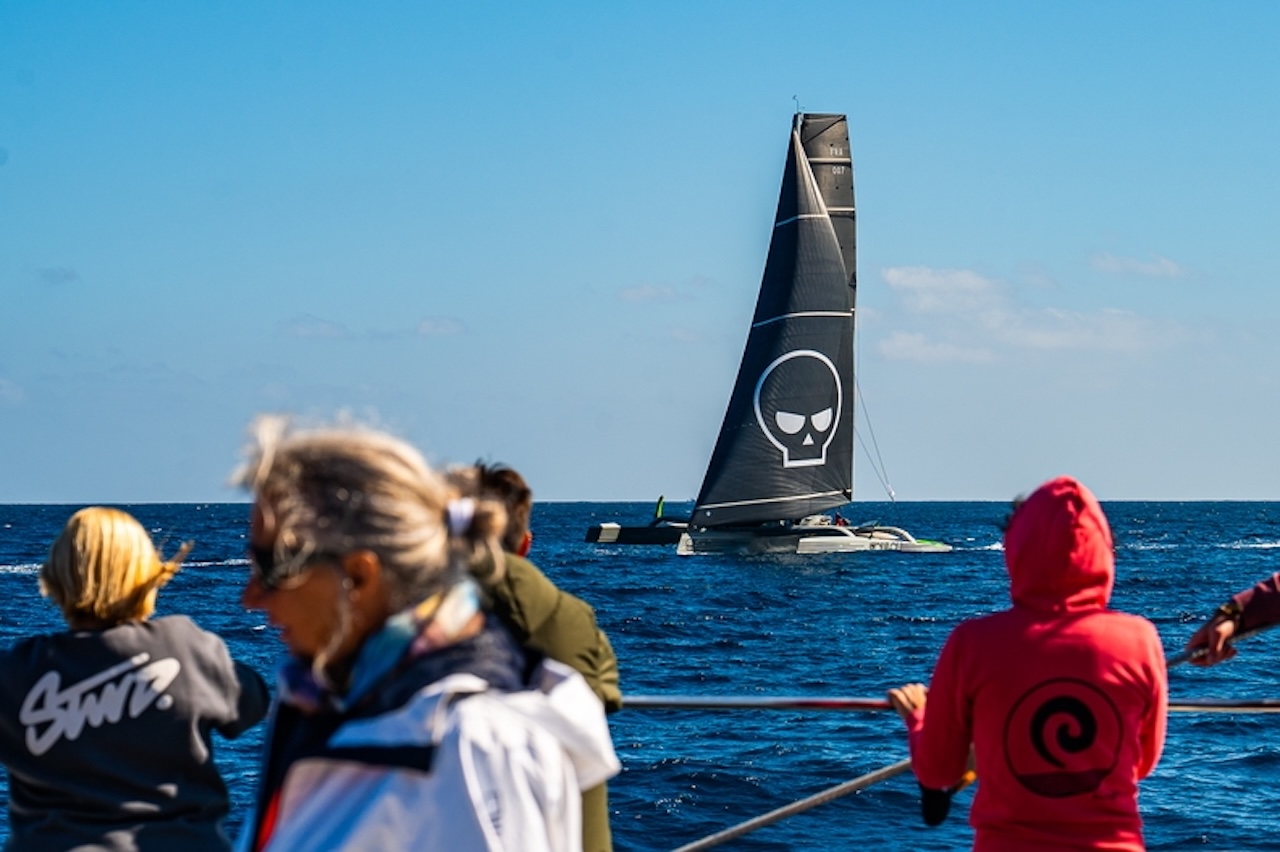
© Lanzarote Sport
Different boats. Different ambitions. One unforgiving ocean.
19-02-2026
What this edition has underlined—yet again—is the extraordinary breadth that defines the RORC Transatlantic Race: modern race machines and classic yachts, fully-crewed and double-handed teams, professional campaigns and deeply personal ambitions, all sharing the same ocean and the same finish line.
Jackknife delivers a defining Corinthian performance
Few results have resonated as strongly as Jackknife, the J/125 owned and skippered by Sam Hall, sailing with his father Andrew Hall. Finishing on 23 January after 11 days and 13 hours at sea, Jackknife claimed third overall under IRC and victory in IRC Two.
13-02-2026
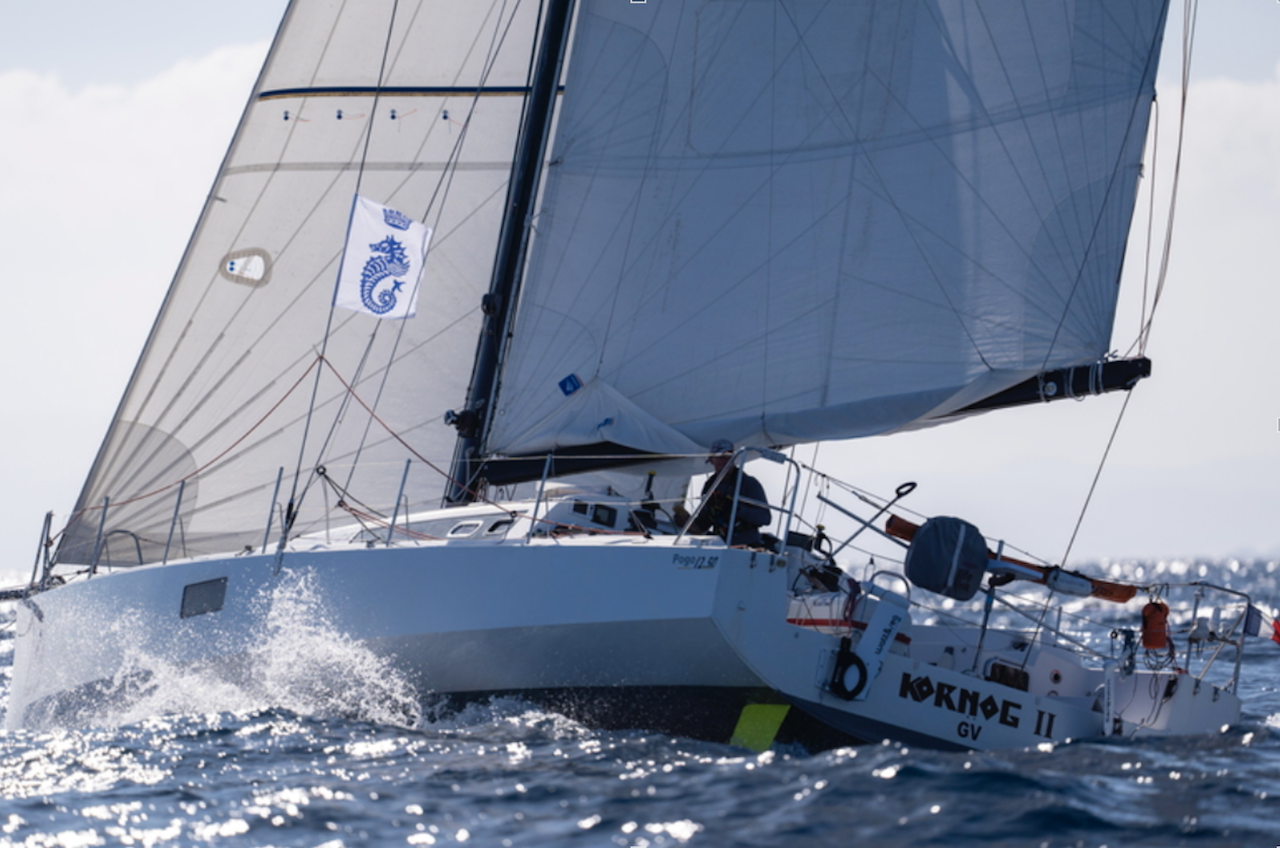
As the RORC Transatlantic Race moves into its final hours, the shape of the IRC leaderboard is now largely set. A diverse fleet of monohulls has completed the 3,000-nautical-mile crossing from Lanzarote to Antigua, with the remainder closing fast after nearly two demanding weeks at sea.
13-02-2026
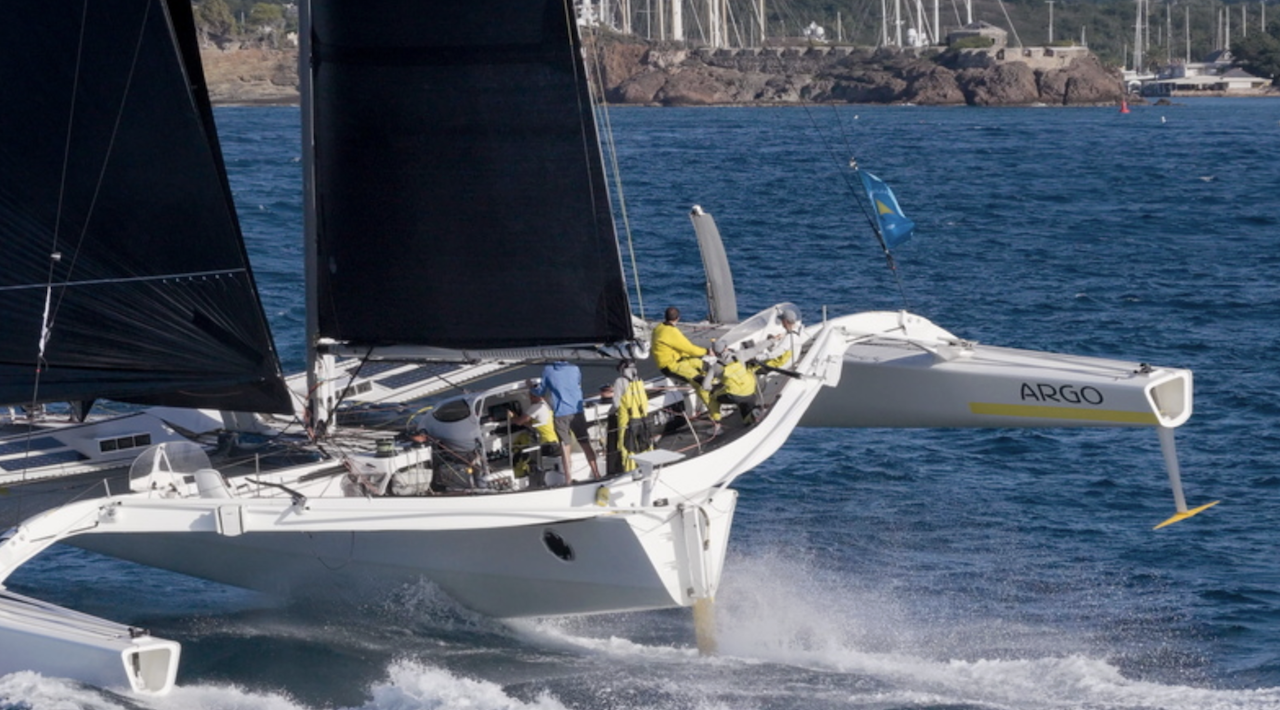
Three days into the 2026 RORC Transatlantic Race, the fleet has made its collective decision — and it’s the decision that has shaped Atlantic crossings for generations. Every boat has committed to the southern escape from the Canary Islands, pressing down the African coast before turning west for Antigua, avoiding the lighter air to the north and positioning early for the trade winds that will define the race.
05-02-2026
Three days into the 2026 RORC Transatlantic Race, the fleet has made its collective decision — and it’s the decision that has shaped Atlantic crossings for generations. Every boat has committed to the southern escape from the Canary Islands, pressing down the African coast before turning west for Antigua, avoiding the lighter air to the north and positioning early for the trade winds that will define the race.
05-02-2026