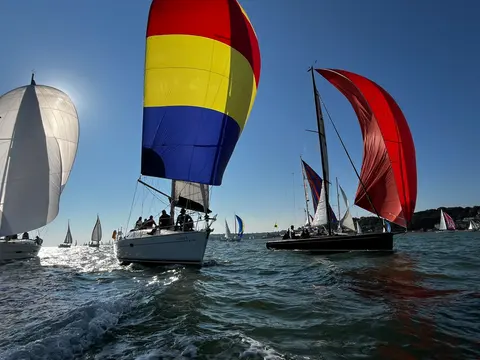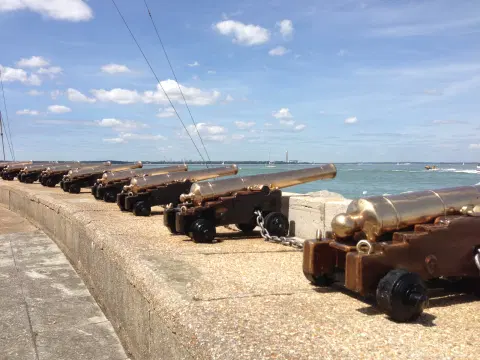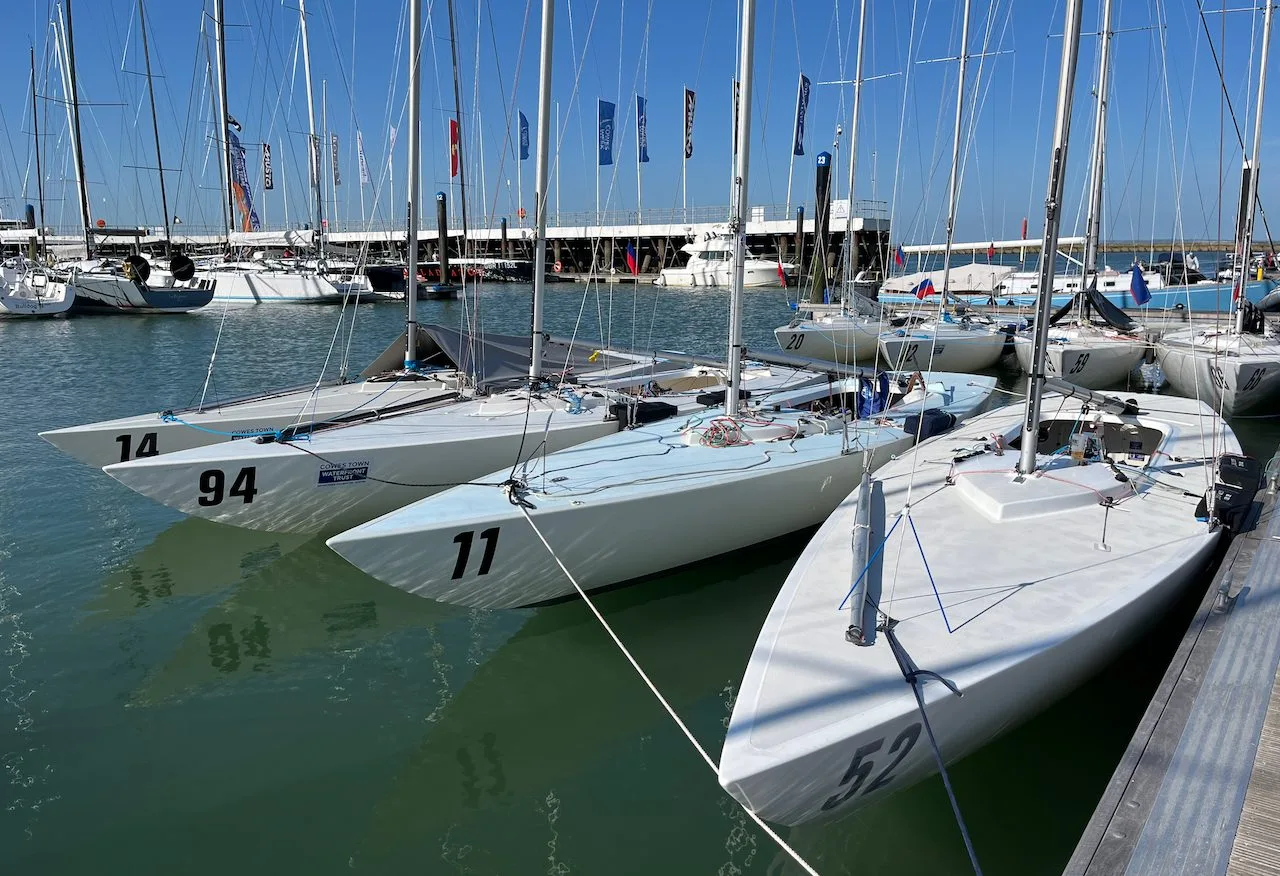
There are yacht races that produce winners. Then there are yacht races that produce memories. The Round the Island Race has always belonged firmly in the second category. Every July, the Solent comes alive as hundreds of yachts gather beneath the shadow of the Royal Yacht Squadron in Cowes, waiting for the first starting gun to echo across the water. Some crews arrive hoping to break records, others to beat old rivals, while many simply want to complete one of the most famous passages in British sailing. Winning is important. Finishing, for many, is enough.
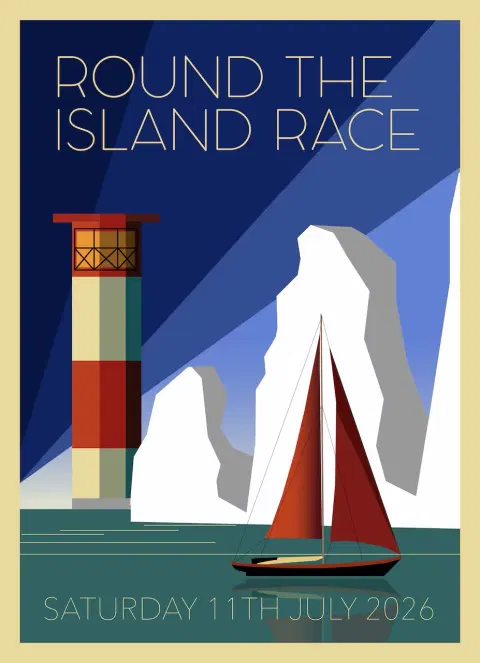
On Saturday 11 July 2026, one of the highlights of the British sailing calendar returns as the Island Sailing Club once again hosts the Round the Island Race. At the time of writing, an impressive 787 boats have already entered, with that number expected to climb even higher before the fleet assembles on the famous Cowes start line. From Old Sea Dogs' point of view, this is one of those rare races that perfectly captures everything we love about sailing. It is competitive without losing its friendly spirit, historic without becoming trapped in the past and challenging enough to earn every finisher a well-deserved drink back in Cowes. This year, I have been fortunate enough to receive an invitation to join the Island Sailing Club's official press boat, giving me a front-row seat as the fleet sets off on its fifty-mile adventure. It promises to be one of the finest vantage points anywhere on the Solent, watching hundreds of yachts jockey for position beneath the walls of Cowes before disappearing westward towards the Needles.
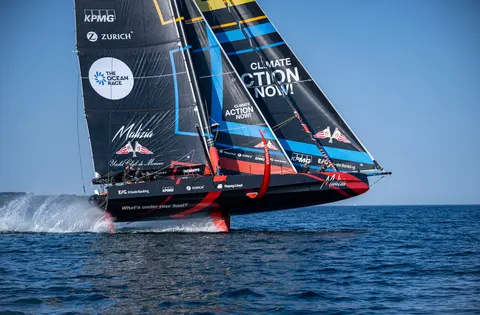
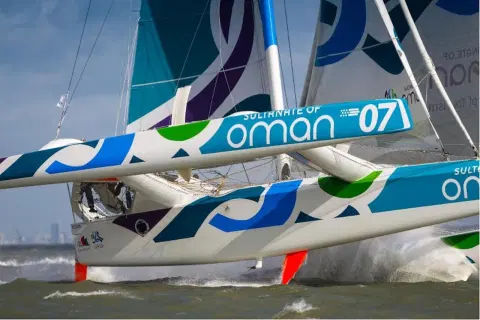
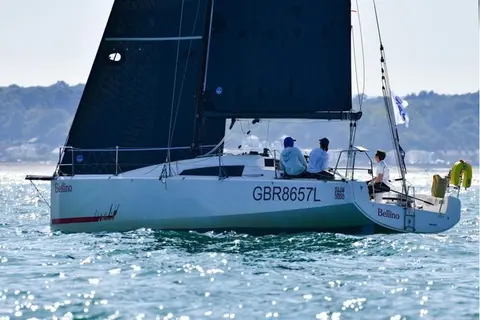
A Spectacle Like No Other There are few sights in world sailing that compare with the start of the Round the Island Race. The first warning gun is scheduled for 7:30am, but long before that the Solent will already be alive with activity. Crews will be making final sail changes. Skippers will be checking weather forecasts one last time. Coffee cups will be emptied. Nerves will quietly build. Then comes that familiar sound of the starting gun. Within minutes, yachts of every imaginable size and design begin their journey around the Isle of Wight. Fast racing yachts. Classic wooden boats. Family cruisers. High-performance multihulls. Professional campaigns. Weekend sailors. For one day each year, they all share exactly the same stretch of water. The course itself is beautifully simple. Starting from Cowes, the fleet heads west through the Solent before passing the iconic white chalk cliffs of The Needles. From there, the yachts turn south into the English Channel before rounding St Catherine's Point, often the most tactical section of the race where tides and changing sea conditions can dramatically alter fortunes. The final challenge comes at Bembridge Ledge, where the fleet turns north once more before returning to Cowes to complete the fifty-nautical-mile circuit.
The route provides countless opportunities for spectators. Whether watching from Cowes Green, Yarmouth, The Needles, St Catherine's Lighthouse or Bembridge, there is always somewhere to witness the spectacle unfold.
One Man's Idea Became a National Institution Like many great sporting events, the Round the Island Race began with one simple idea. Back in 1930, Island Sailing Club member Major Cyril Windeler believed there should be a handicap race that allowed smaller yachts to compete around the Isle of Wight. His vision became reality the following year. In 1931, just 25 boats crossed the starting line. The inaugural winner was Peter Brett, sailing his modest 22-foot Cornish fishing boat, Merry Conceit. Remarkably, he had purchased the boat for just 45, proving that determination often outweighs expensive equipment. Major Windeler would later enjoy his own success, winning the race himself in 1939. Few could have imagined then what his idea would eventually become.
A Race That Has Stood the Test of Time The Round the Island Race has now become woven into the fabric of British sailing. It has survived changing fashions in yacht design. It has witnessed technological revolutions. It has welcomed Olympic champions, round-the-world sailors, families and first-time racers alike. Only two major events have brought the race to a halt. The outbreak of the Second World War. The global pandemic in 2020. Apart from those extraordinary interruptions, the race has continued to unite generations of sailors for almost a century. That remarkable continuity says everything about its importance.
More Than Just a Race For many crews, the Round the Island Race is not simply another event on the calendar. It is an annual reunion. Friends who have sailed together for decades step aboard once more. Families introduce younger generations to the traditions they grew up with. New sailors experience offshore racing for the very first time. Stories are created that will be retold in yacht clubs for years to come. Some will remember a perfect spinnaker run. Others will recall beating into a stiff south-westerly off St Catherine's Point. Many will simply remember sharing a wonderful day afloat with good friends. That is the true magic of the Round the Island Race. The results sheet may record who crossed the finish line first. The memories belong to everyone. As the starting gun approaches and almost 800 yachts prepare to fill the Solent with a riot of colour, there is once again a feeling that something rather special is about to happen. From aboard the Island Sailing Club press boat, Old Sea Dogs will be there to bring you the sights, sounds and stories from Britain's greatest yacht race. Whether you are racing, spectating from the shore or following from further afield, one thing is certain. The Isle of Wight is ready. The fleet is ready and I am ready :-) Now all we need is the wind.