

Old Sea Dogs: One Year Afloat









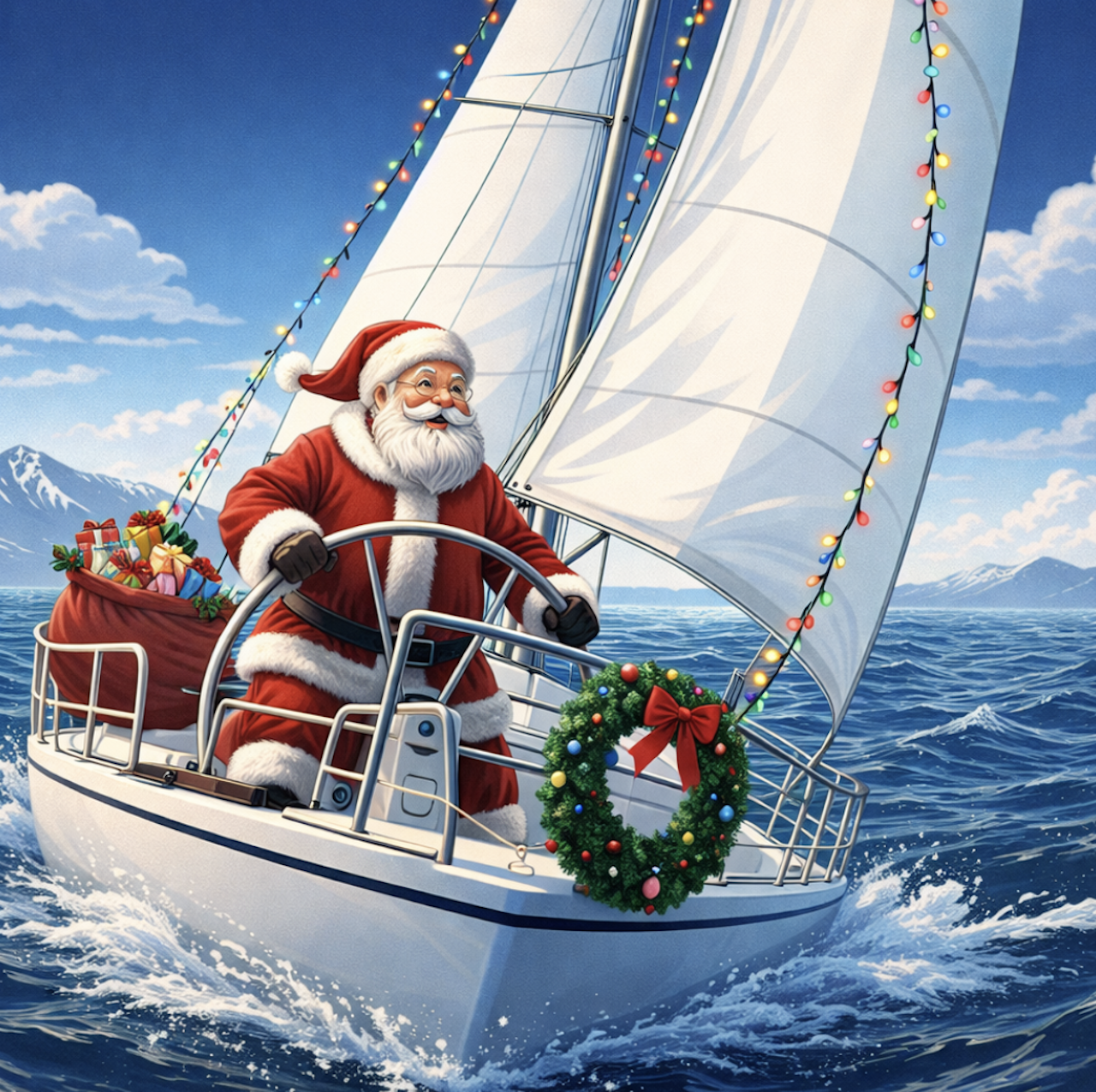
No grand launch fanfare. No corporate polish. Just a simple idea: tell boating stories properly — with salt still drying on the pages, with respect for tradition, and with curiosity for where the marine world is heading next. A place for sailors, powerboaters, dreamers, racers, refitters, dock-talk philosophers, and those who simply feel more at home when the horizon is visible. One year on, Old Sea Dogs has become a logbook of global boating life — stories gathered from harbours, racecourses, boatyards, show pontoons, and far-off seas. It’s been a year of wind shifts and learning curves, of long nights writing and longer days watching boats do what boats have always done: carry people toward something just beyond reach. This is that first year, written down before the wake fades.
A World Connected by Water
One of the earliest realisations was simple: boating has no borders. Within weeks of launching, stories were flowing in from every corner of the map — Mediterranean, Atlantic crossings, Caribbean trade winds, Northern European boatyards, Australian marinas, American coastal towns. Different accents, different traditions, but the same language spoken fluently: tide, wind, hull, weather, risk, reward. Old Sea Dogs covered elite international racing and grassroots sailing with equal care. From team racing in light, fickle conditions to offshore classics that demand sleep deprivation, discipline and deep respect for the sea, the racing stories weren’t just about results — they were about why people keep turning up. Because racing sailors understand something early: the sea doesn’t care who you are. Whether it was Olympic-pathway sailors threading mark roundings in barely two knots, or offshore crews preparing for days of cold watches and wet decks, the common thread was commitment. Preparation. And that quiet moment before the start gun when everyone knows that once you leave the dock, excuses stay behind.
Beyond the Finish Line
But Old Sea Dogs was never intended to be only about racing. Some of the most-read and most-shared pieces this year weren’t about podiums at all. They were about boats themselves — why they’re designed the way they are, how they behave when the conditions turn ugly, and what they offer the people who live with them day after day. Boat reviews became a core pillar early on, not as glossy brochure rewrites, but as honest conversations. The kind you’d overhear leaning on a pontoon rail with a mug of coffee in hand. What works offshore? What works at anchor? What looks clever on paper but proves awkward at sea? What boats earn loyalty — and which ones quietly get sold on? From practical cruisers to modern hardtops, from classic lines to contemporary design experiments, the underlying question stayed the same: would you trust this boat when the weather stops being polite? That perspective resonated. Because most readers don’t just want to admire boats — they want to understand them.
The Human Element
Early on, Old Sea Dogs leaned deliberately into something the boating world sometimes forgets: people matter more than vessels. The stories that linger are rarely about horsepower figures or sail area ratios. They’re about the decisions made at 3 a.m. The friendships forged over refits. The quiet pride of a well-sailed passage. The humility learned after getting it wrong. Throughout the year, the site explored the human stories behind the hardware: owners, sailors, designers, builders, dreamers, risk-takers, restorers, innovators. People who didn’t always start with perfect conditions or unlimited budgets — but who shared a stubborn pull toward water. Some stories were aspirational. Others deeply practical. A few were cautionary. All of them shared one thing: authenticity. No filters. No artificial drama. Just life afloat, as it really happens.
Respect for History, Eyes on the Horizon
One of the strongest themes to emerge naturally was respect for maritime history — not as nostalgia, but as continuity. Historic yachts undergoing major rebuilds weren’t treated as museum pieces, but as living links between generations of sailors. Restorations weren’t framed as vanity projects, but as acts of stewardship — keeping knowledge, craftsmanship and design philosophy alive for those who come next. At the same time, Old Sea Dogs didn’t shy away from asking hard questions about where boating is going. Safety. Design assumptions. Environmental responsibility. Technology creeping onboard. Automation versus seamanship. The balance between innovation and over-complexity. When modern yachts fail, or when design choices deserve scrutiny, the site addressed it respectfully but honestly. Because the sea has always punished complacency — and always will.
Power, Speed, and the Joy of Motion
Sailing may have deep roots in Old Sea Dogs’ DNA, but powerboating took its rightful place this year too. Fast boats. Offshore fishing machines. Long-range cruisers. Performance hulls designed for serious water. The site celebrated the joy of speed and control just as much as quiet passages under sail. Because the divide between sail and power has always been exaggerated dock-talk nonsense. At heart, it’s the same instinct: movement across water, mastery of conditions, and the satisfaction of arriving under your own command. Some readers come for the sails. Some come for the engines. Most appreciate both.
A Community
Perhaps the most important achievement of the first year wasn’t traffic numbers or article counts — it was tone. Old Sea Dogs never tried to be everything to everyone. It never chased clickbait or hollow outrage. It spoke to its readers, not at them. The comments, messages and shared stories reflected that. Readers didn’t just consume articles — they recognised themselves in them. They saw their own mistakes, ambitions, frustrations and triumphs mirrored back with honesty and humour. That sense of community — informal, opinionated, welcoming — is rare online. And it’s something Old Sea Dogs intends to protect fiercely.
Lessons From the First Year
Every first year afloat teaches lessons. That consistency matters more than perfection. That readers can spot authenticity instantly. That good stories take time. That the best pieces often start with a simple observation. That the sea always gives you more to write about than you have hours in the day. Most of all, the year reinforced why Old Sea Dogs exists at all: because boating deserves better storytelling. Not louder. Not flashier. Just truer.
Looking Ahead
As the calendar turns, Old Sea Dogs enters its second year with clearer purpose and broader horizons. More long-form features. Deeper event coverage. More marina and club profiles. More honest boat reviews. More global voices. More room for the kind of stories that don’t fit neatly into categories.
The ambition isn’t scale for its own sake — it’s depth. To become a place readers return to not because they have to, but because they want to.
A Christmas Note to Our Readers
And finally — because no proper logbook ends without gratitude. To every reader who clicked a link, shared a story, sent a message, or simply read quietly from afar: thank you. You are the reason this site exists. Wherever you are reading this — in a marina office, at home planning next season, on a night watch, or with a drink in hand remembering the last good sail — know that you are part of this story. From all of us at Old Sea Dogs, we wish you a wonderful Christmas and a happy, healthy New Year. May your anchors hold. May your weather windows open. May your charts be honest. And may the pub always be exactly where you left it. Here’s to another year of salt in the air, stories worth telling, and horizons worth chasing. — Old Sea Dogs